Viola Articles
What actually happens between the systems.
Working notes from the team building Viola: policy administration, underwriting automation, and the hand-offs that quietly eat the week.

All articles
-
Policy Administration
Best Policy Administration Systems for MGAs in 2026: A Full-Lifecycle Buyer's Guide
What MGAs should look for in a policy administration system in 2026; full-lifecycle automation criteria, the vendor landscape, and where AI-native platforms like Viola fit.
-

Quote to Bind
Quote to Bind in Minutes: How Cloud-Native Policy Admin Systems Make It Possible
How cloud-native, AI-native policy admin systems compress quote-to-bind from days to minutes; the mechanics, what slow quoting costs, and what to look for.
-
API-First
API-First Insurance Platforms with AI Underwriting: What to Look For
What an API-first insurance platform with AI underwriting actually is, why architecture determines AI depth, and an evaluation checklist for 2026 buyers.
-
Program Administrators
End-to-End Policy Lifecycle Platforms for Program Administrators: What Actually Works
What program administrators need from an end-to-end policy lifecycle platform; the real requirements, the vendor landscape, and where Viola fits.
-
Carriers
Modern PAS Options for Small and Mid-Size Carriers Replacing Legacy Core Systems
A legacy-replacement guide for small and mid-size US carriers; modern PAS vendor generations, how to de-risk the migration, and where AI-native platforms fit.
-
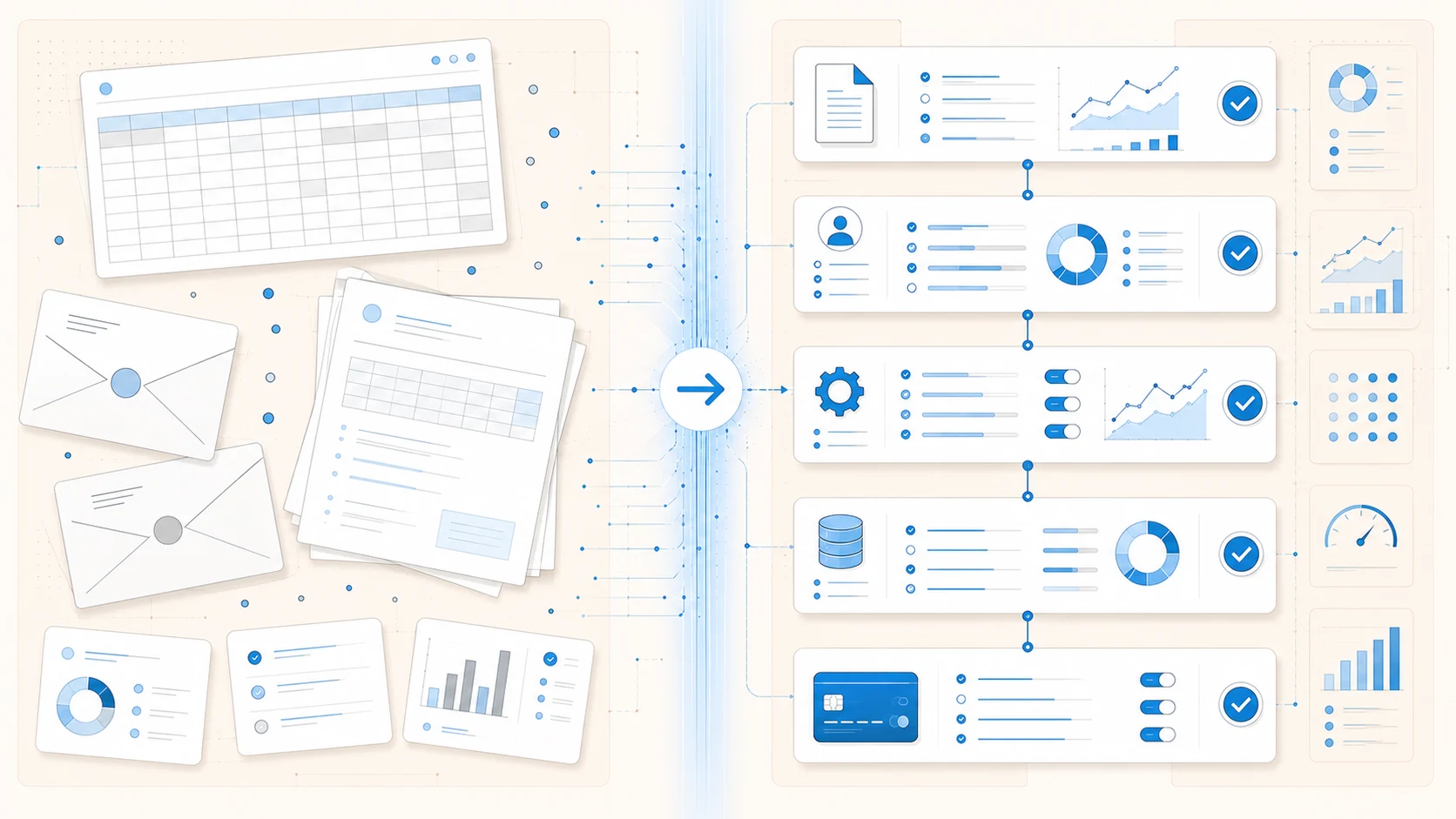
MGA
From Spreadsheets to Straight-Through Processing: Automating an MGA Without Rip-and-Replace
A practical path for MGAs running on spreadsheets and email to automate quote-through-bind, incrementally, without ripping everything out at once.
-
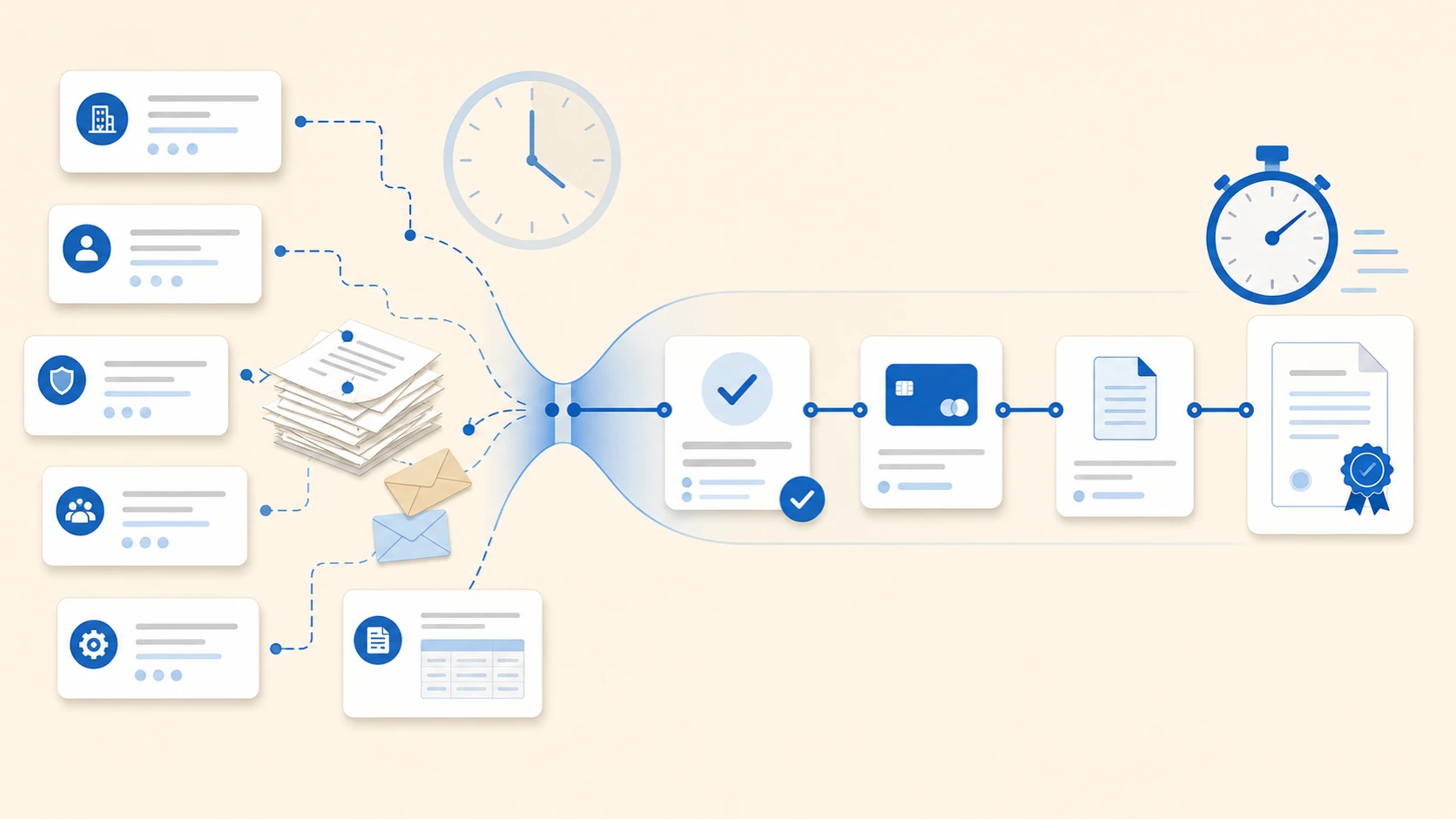
Underwriting
Fixing the Bottleneck Between Underwriting Approval and Policy Issuance
Why 2–3 weeks disappears between underwriting approval and policy issuance, and how modern insurers collapse that gap to minutes.
-
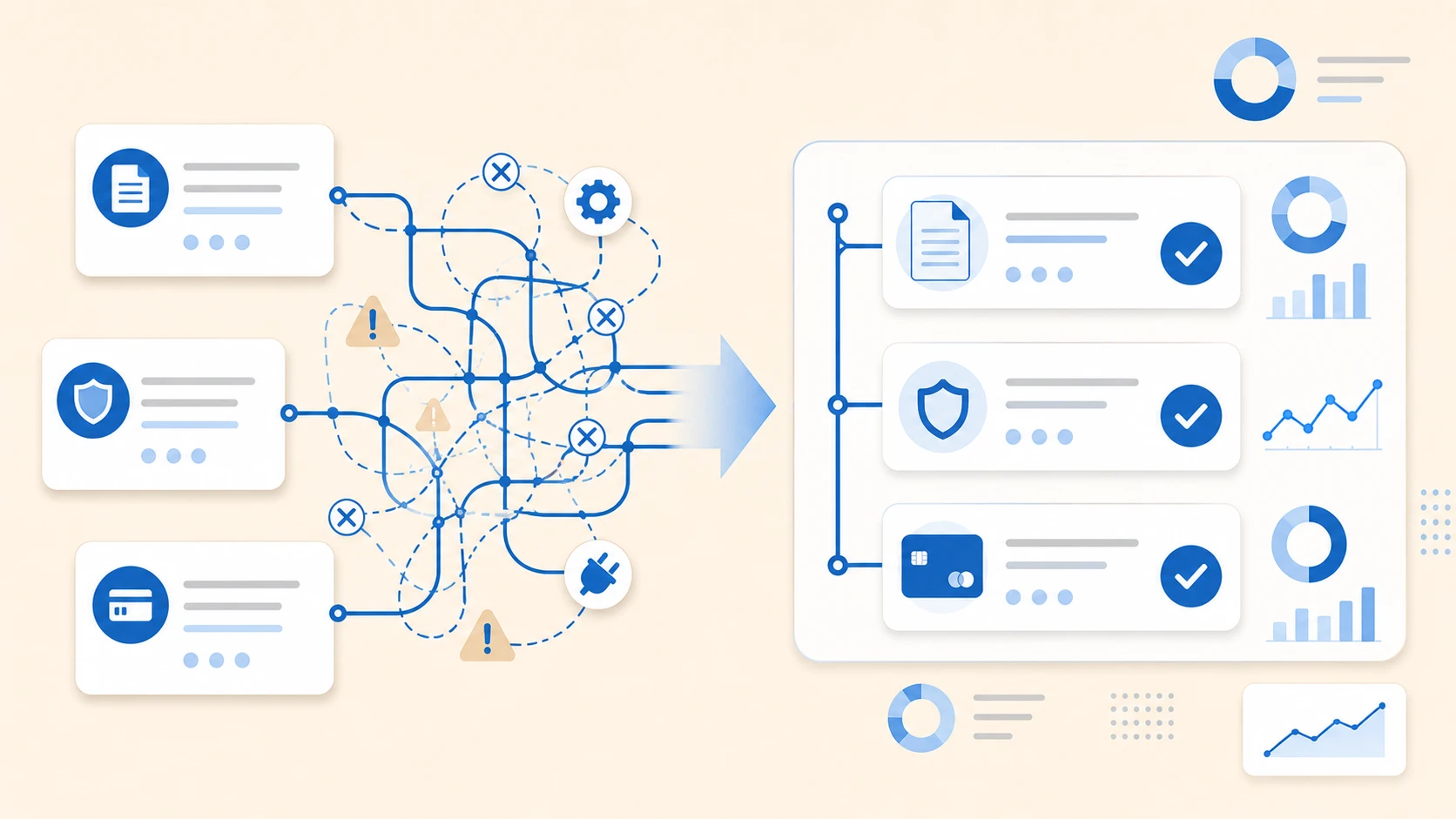
Claims
One Core, Three Functions: Policy Admin, Claims, and Payments Without Integration Glue
Why integrating separate policy admin, claims, and payment systems keeps failing, and what a platform that handles all three natively actually looks like.
-
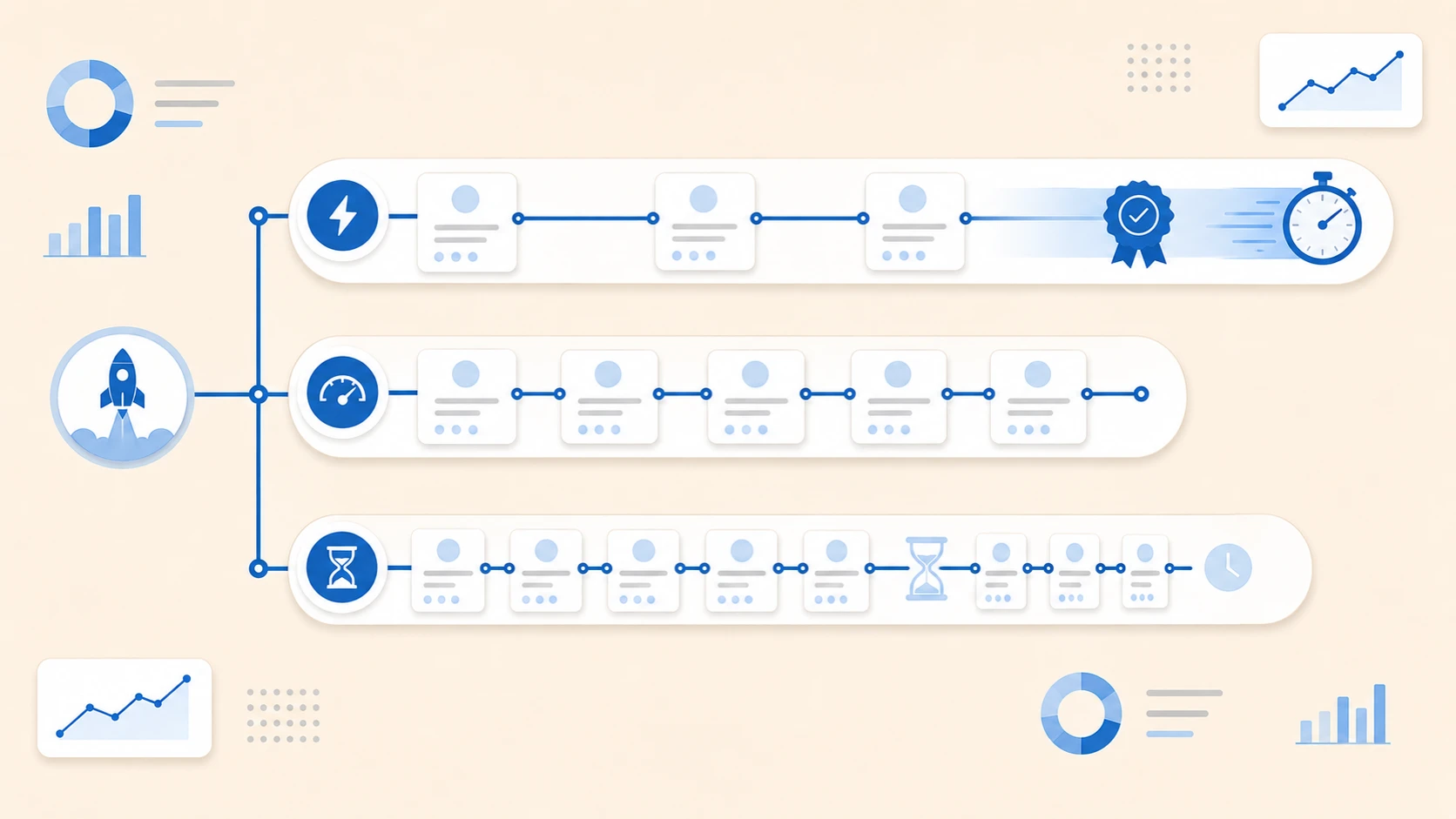
Comparison
Viola vs Socotra vs BriteCore: Speed to Market for MGA Programs
An honest comparison of Viola, Socotra, and BriteCore for MGAs prioritizing speed to market; architecture generations, launch mechanics, and fit by line of business.
About Viola Articles
Viola Articles is the publication of RegenAI InsurTech, the team behind Viola, the AI-native, API-first Policy Administration System. It covers the practice of running the policy lifecycle on one engine: underwriting, policy administration, claims, payments and distribution, with people approving the decisions that carry risk.
What is a Policy Administration System?
A Policy Administration System, or PAS, is the system of record an insurer runs its products on. It holds the product and rating definitions, issues and endorses policies, tracks the full policy lifecycle from quote to renewal or cancellation, and feeds billing, claims and reporting. Viola is a PAS built AI-native rather than retrofitted: the automation is in the core, not bolted to the edge of it.
What does AI-native mean for a Policy Administration System?
AI-native means the multi-agent engine is part of the platform rather than an add-on layered over a legacy core. Document intelligence, rating, and real-time operations run through the same engine, so a submission moves through intake, underwriting and issuance without hand-offs between disconnected tools, and with a human approving the decisions that carry risk.
Who is Viola built for?
MGAs, carriers, program administrators and digital insurers: teams that need to launch and change products quickly and cannot wait on a multi-year core replacement to do it.
- Policy administration and the full policy lifecycle
- Underwriting automation and multi-agent decisioning
- Document intelligence and submission intake
- Rating engines and product configuration
- Claims automation, payments and billing
- API-first architecture and insurance system integration
- Security, governance and human-in-the-loop approval