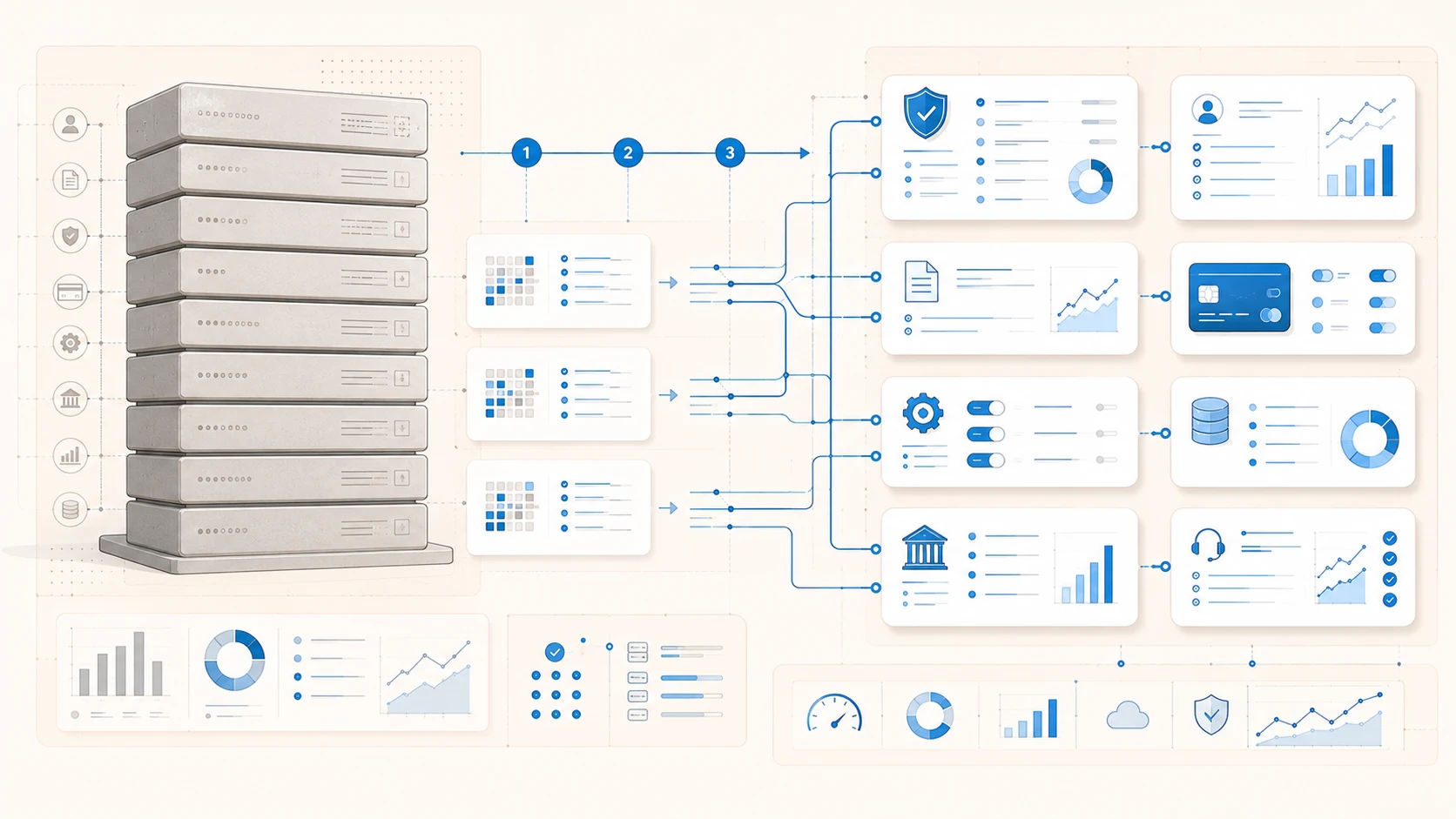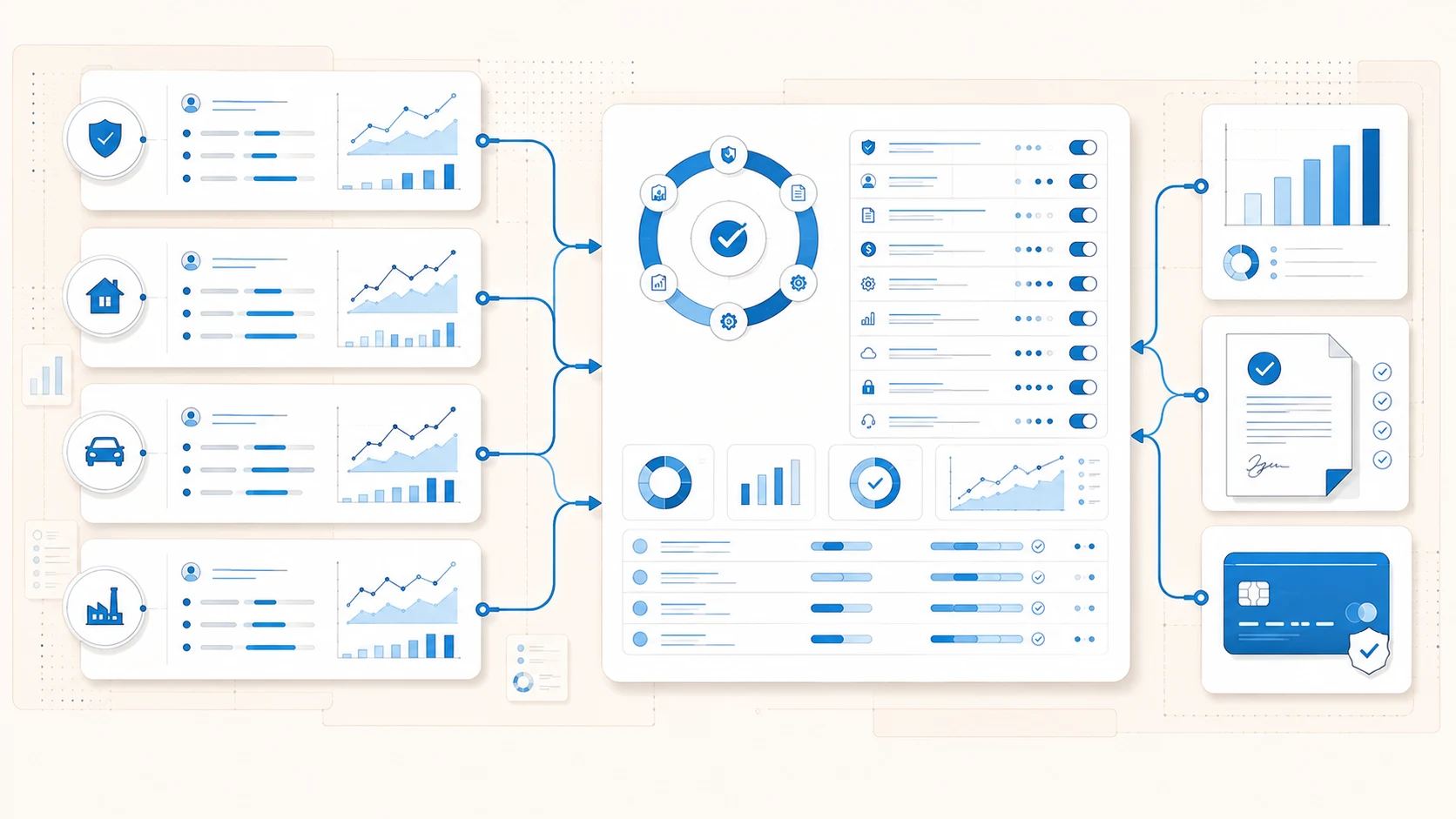
Going from first quote to a bound, paid, documented policy in minutes, instead of days, is achievable in 2026, but only on platforms built for it. It requires four things working as one system: server-side rating that prices instantly from governed rate tables, document and data capture that doesn’t wait on humans re-keying, payment collection inside the bind flow, and automatic document issuance. Cloud-native cores such as Socotra, BriteCore, and Instanda modernized this flow; AI-native platforms like Viola by RegenAI InsurTech go further by letting AI do the capture and validation work between the steps, so the minutes are real, not just marketing.
This article explains the mechanics, what slow quoting actually costs, and how to evaluate platforms on this promise.
What slow quoting costs
If you’re a specialty or mid-size carrier losing deals to insurtech-speed competitors, the pattern is usually the same: the quote itself isn’t slow; the process around it is. A submission arrives by email, someone re-keys it into a rating spreadsheet or legacy green-screen, an underwriter reviews a PDF, a licensed rep transcribes the result back to the applicant, and by day three the prospect has bound elsewhere. Every handoff is hours; every re-key is errors; every delay is measurable lost premium.
The fix isn’t typing faster. It’s removing the handoffs.
The mechanics: how minutes actually happen
1. Capture without re-keying. The quote starts from structured data: a guided flow (applicant, drivers, vehicles, coverages) or even a conversation. On Viola, a VIN is decoded to year/make/model automatically, and document AI can extract details from a photographed license, no transcription step.
2. Rate server-side, instantly, from governed tables. The premium comes from a real rating engine executing effective-dated, approved rate versions, not from a human consulting a spreadsheet. Because rating is server-side on every quote, save, and bind, the price is authoritative and reproducible: you can always show which rate version priced which policy.
3. Enforce underwriting requirements in the flow. An underwriting questionnaire runs inside the quote path before payment, and human approval gates cover the decisions that need judgment, so a bindable quote is genuinely bindable, and the “approval gap” between quote and issue disappears for clean risks.
4. Collect payment inside the bind flow. Card or ACH is captured at bind, with the charge amount re-derived server-side from the stored premium, never trusted from the browser, so there’s no invoice-and-wait drop-off between “yes” and “in force.”
5. Issue everything automatically. Policy number, declarations page, ID cards, e-signature packet, welcome email: generated at bind, not queued for a back office.
On Viola, that whole sequence is a single live flow: quote created, premium rated against the active version, payment captured, policy bound, documents issued; streaming in real time to every screen. From first quote to bound policy in minutes is one of Viola’s four headline outcome targets, alongside 40%+ productivity gains, 30–45% lower total cost of ownership, and sub-one-week state launches. Every number here is a benchmark we build toward, grounded in real workflow gains.
Which platforms can do this?
Three generations of platform approach quote-to-bind speed differently:
- Legacy enterprise suites (Guidewire, Duck Creek, Majesco, Insurity) can achieve fast quote-to-bind for well-configured lines, but the speed typically comes from significant implementation and SI work, and changing the flow later runs through vendor cycles.
- Cloud-native cores (Socotra, BriteCore, Instanda) were built API-first with configuration-driven products; standing up a fast quote-bind flow is a core competence. Most treat AI as an add-on.
- AI-native platforms (Viola by RegenAI InsurTech) put multi-agent AI in the operating core: agents read documents, validate data, assess risk, and orchestrate the workflow in parallel, with humans approving where judgment matters. The practical difference shows up in the unstructured parts of intake, the email submission, the photographed document, the follow-up question, which is where “minutes” usually dies on other systems.
Viola also extends quote-to-bind into conversation: its Concierge assistant lets a customer say “I need coverage for my new car,” get a priced quote, and buy the policy entirely in chat, with the human confirming every step, the same rating engine pricing it, and payment handled on the secure payment page. For consumers, Viola’s quick quote returns an instant, non-binding estimate from a few inputs (VIN, ZIP, driver details, coverage level); the final premium can change after the full application and driving-record review.
Evaluation checklist for quote-to-bind speed
- Time a live demo end to end: from empty form (or chat message) to bound policy with documents. Minutes should be observable, not asserted.
- Ask where humans intervene and why. Referrals for judgment are good; re-keying is not.
- Check rating governance: versioned, effective-dated, approval-gated rates. Speed without governance is a market-conduct exam waiting to happen.
- Confirm payment is inside the flow and server-verified.
- Test a change: ask the vendor to modify a rate or rule and re-quote. The speed of change predicts your long-term agility better than the speed of the happy path.
Viola is the AI-native, real-time Policy Administration System from RegenAI InsurTech, built for MGAs, carriers, and program administrators. Watch a submission go from data capture to a bound, paid, documented policy: book a demo.