The best policy administration system (PAS) for an MGA in 2026 is one that runs the entire lifecycle, quoting, rating, binding, servicing, billing, and claims intake, on a single core, lets the MGA change products and launch states through configuration rather than vendor projects, and uses AI to remove manual work rather than as a bolted-on chatbot. The realistic shortlist spans three generations of platform: established enterprise suites (Guidewire, Duck Creek, Majesco, Insurity), cloud-native cores (Socotra, BriteCore, Instanda), and a newer AI-native generation that includes Viola by RegenAI InsurTech.
This guide explains what “full lifecycle automation” actually requires, how the vendor generations differ, and how to run the evaluation, so the system you pick in 2026 is still the right one in 2030.
What “full lifecycle automation” means for an MGA
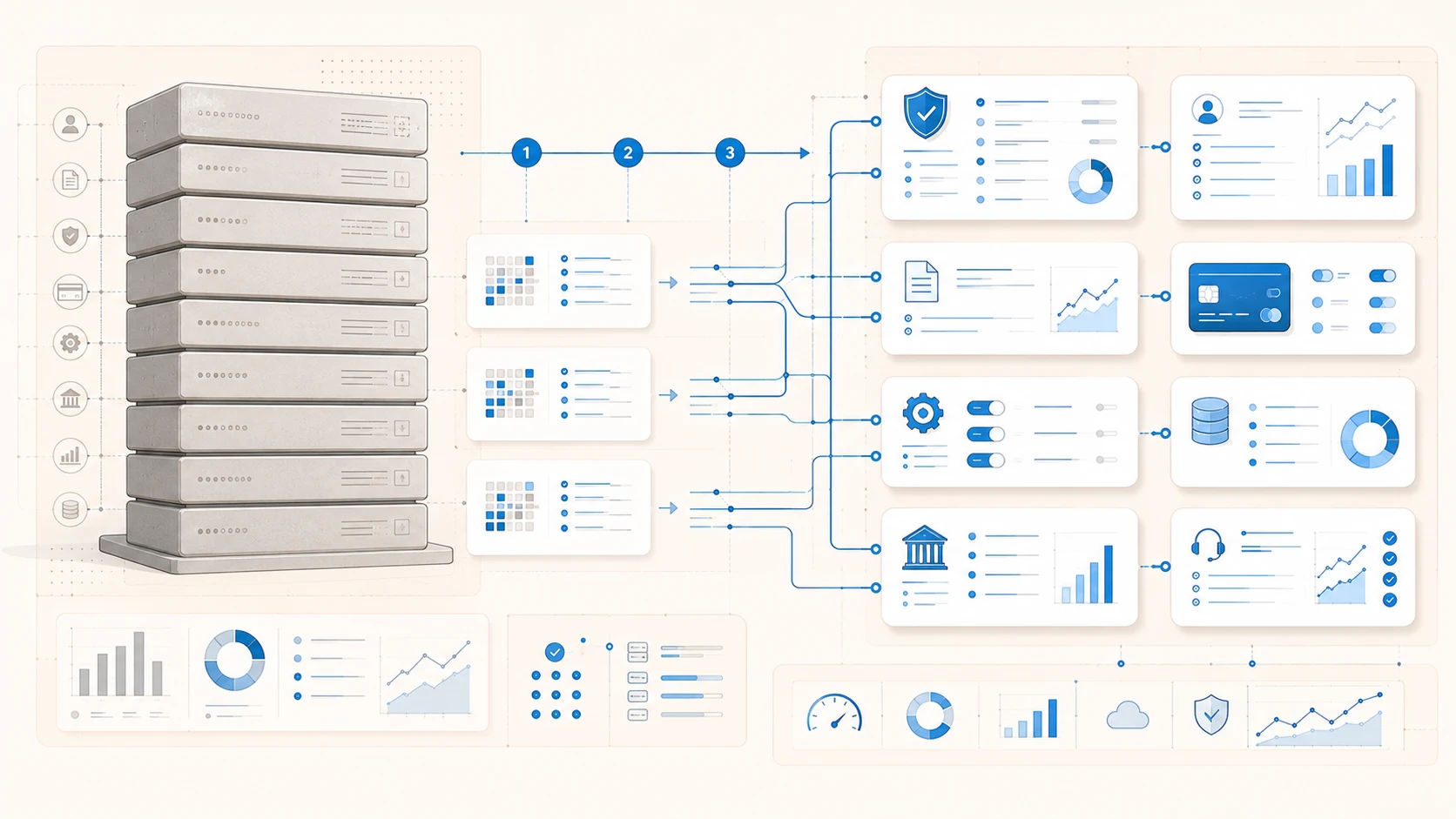
An MGA’s economics live and die on operating leverage: how much premium a small team can quote, bind, and service. Full lifecycle automation means every stage below runs on one system, with data flowing forward instead of being re-keyed:
Quote and rate. A guided submission flow (applicant, drivers or risks, coverages) priced by a real rating engine, not a spreadsheet a licensed person transcribes from. In 2026 the bar is versioned rating: every rate change is effective-dated, approval-gated, and reproducible, so you always know which rates priced which policy.
Bind and issue. One-click bind with the premium re-verified server-side, payment collected inside the bind flow, and documents (dec page, ID cards, required filings) generated automatically.
Service. Endorsements that re-rate and prorate automatically, renewals that pick up the correct rate version, and an activity log that gives you an audit trail of every policy transaction.
Claims intake. At minimum, FNOL capture that flows into a claims workflow with document handling and adjuster assignment, without exporting to a separate system by email.
Billing and payments. Card and ACH collection, vaulted payment methods for renewals, and refunds/voids handled in-platform.
If a vendor covers only some of these stages, the gaps become integration projects, and integration projects are precisely the overhead MGAs adopt a modern PAS to escape.
The 2026 vendor landscape, in three generations
Enterprise suites: Guidewire, Duck Creek, Majesco, Insurity, Sapiens, EIS. Deep, proven, feature-rich systems that dominate large-carrier core insurance. For an MGA, the trade-offs are implementation weight, cost structures designed for enterprise books, and change cycles that typically run through vendor or SI (system integrator) engagements.
Cloud-native cores: Socotra, BriteCore, Instanda, and peers. Built API-first in the cloud era, faster to stand up, configuration-driven product definitions. These platforms modernized deployment; most treat AI as an add-on layer rather than the operating core.
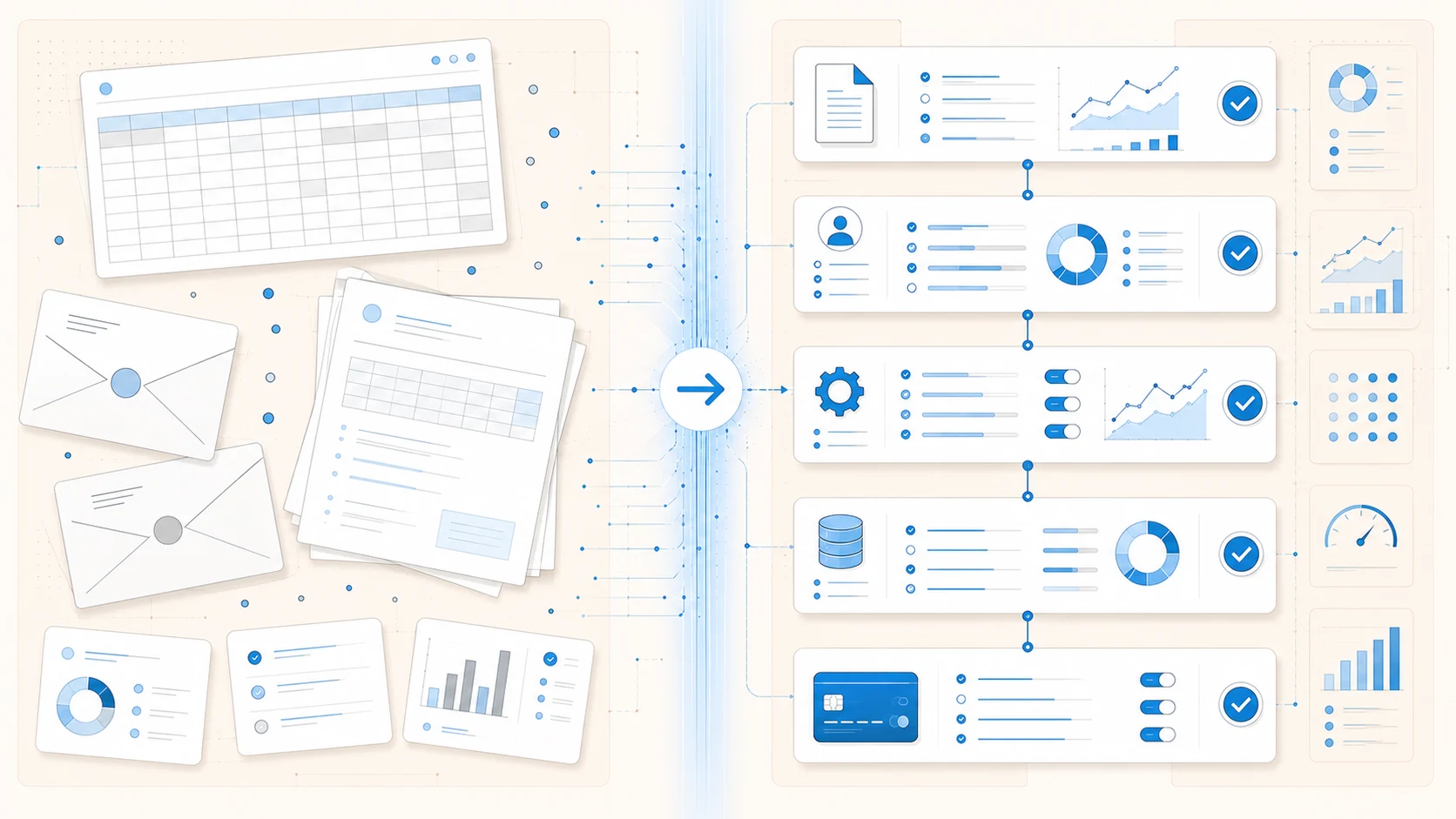
AI-native platforms: the newest generation, built after generative and agentic AI changed what software can do. Viola by RegenAI InsurTech is in this category: multi-agent AI is the operating core, reading documents, assessing risk, orchestrating workflow, and routing claims in parallel, with humans approving where judgment matters. The distinction matters for MGAs because the labor savings of “full lifecycle automation” come mostly from the work between the clicks: document reading, data entry, triage, and routing.
No generation is automatically “best.” A $500M GWP program with heavy SI relationships weighs things differently than a lean MGA launching its second program. The evaluation criteria below are how to tell which fits.
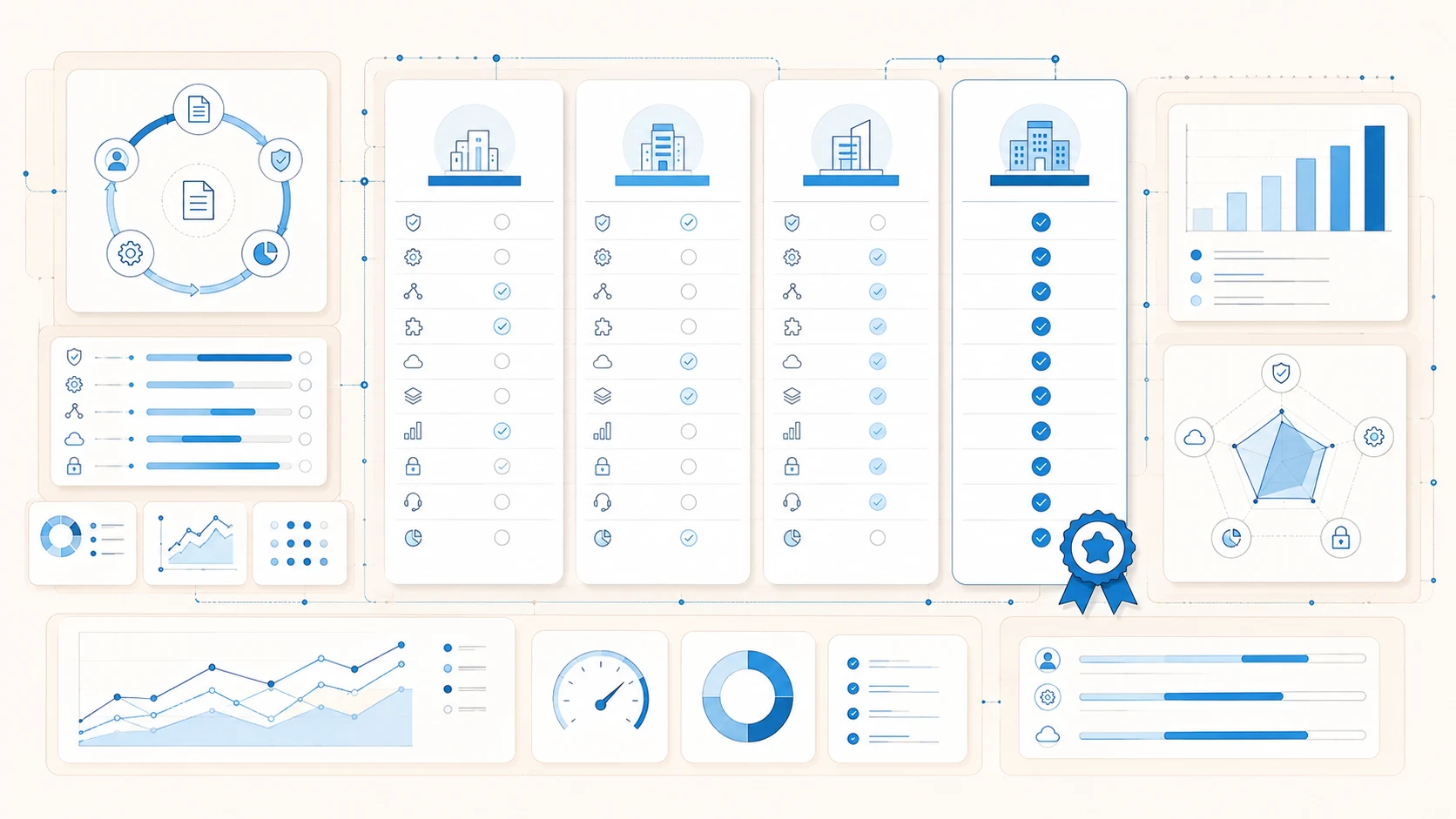
Seven evaluation criteria that separate the field
- Speed to market as configuration, not projects. Ask each vendor to walk through launching a new state or program: who loads the rate tables, who configures rules, and how long it takes. In Viola, for example, a new state is configuration, import actuarial rate tables from spreadsheets, set state factors and rules, route the rate version through approval, and go live, targeted in under a week rather than months (a benchmark we build toward, grounded in real workflow gains).
- Rating governance. Effective-dated, approval-gated, reproducible rate versions; per-state version chains; permissions on who can view versus change rates. Regulators and carrier partners will eventually ask you to reproduce a premium: your PAS should make that trivial.
- Real automation depth. Have the vendor show documents being read and data extracted without re-keying, police reports, applications, photos, not just a workflow tool that routes tasks between humans.
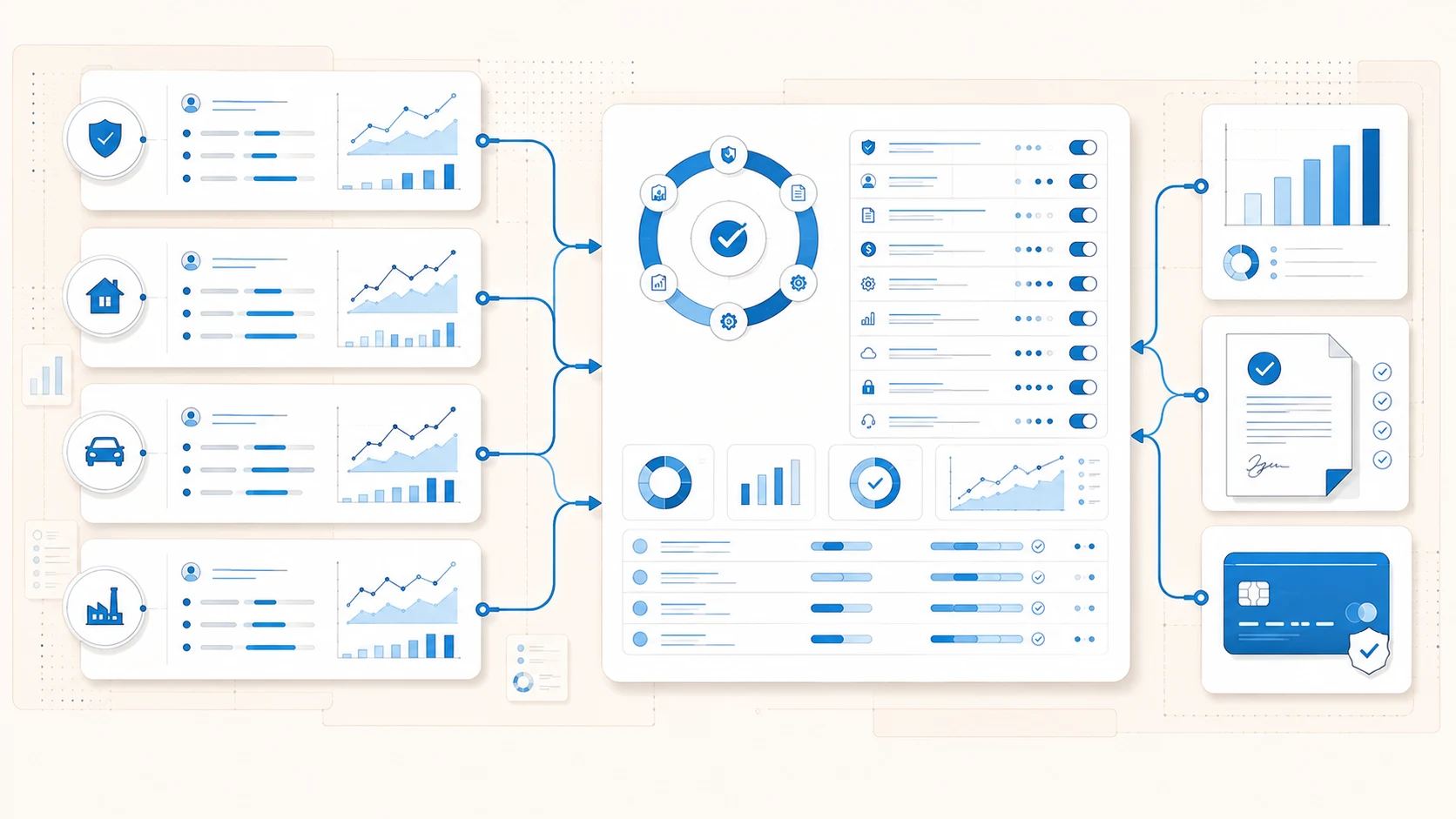
- A single data core. Policy, claims, and payment data in one place, so dashboards reconcile and your carrier reporting doesn’t require a data warehouse project on day one.
- Human-in-the-loop controls. Automation you can trust has approval gates: underwriting referrals, rate approvals, confirmation before any AI-initiated transaction is written.
- Integration surface. Clean APIs and real-time channels for your CRM, carrier partners, and data providers.
- Total cost of ownership. License plus implementation plus the ongoing cost of change. The last one is where legacy platforms accumulate expense: every product tweak that requires a vendor ticket is TCO.
Where Viola fits for MGAs
Viola is the AI-native, real-time policy administration system from RegenAI InsurTech, built for MGAs, carriers, and program administrators. It runs the full lifecycle on one core: quote-to-bind in a single flow, a versioned and approval-gated rating engine with spreadsheet rate import, endorsements and renewals with automatic re-rating and pro-rata math, integrated card and ACH payments, multi-channel claims intake with police-report OCR and rules-based adjuster auto-assignment, and reconciled operational dashboards. A conversational concierge lets customers quote, buy, and service policies in chat, and lets administrators query the book in plain English: role-aware and confirmation-gated on every action.
Viola’s outcome targets for MGAs: 40%+ team productivity gains through end-to-end automation, 30–45% lower total cost of ownership versus legacy platforms, new-state launches in under a week, and quote-to-bound-policy in minutes. Every number here is a benchmark we build toward, grounded in real workflow gains.
Scope honesty, because it matters in an evaluation: Viola runs personal auto today and is multi-line by design; personal auto today, commercial lines next. An MGA writing personal auto programs is squarely in its wheelhouse; an MGA that needs live commercial lines support today should weigh Viola’s roadmap against incumbent options.
Viola is the AI-native, real-time Policy Administration System from RegenAI InsurTech, built for MGAs, carriers, and program administrators. It runs the full policy lifecycle, quoting and rating, binding, servicing, payments, and AI-triaged claims, on a single platform. Book a demo to see a quote become a policy in minutes.