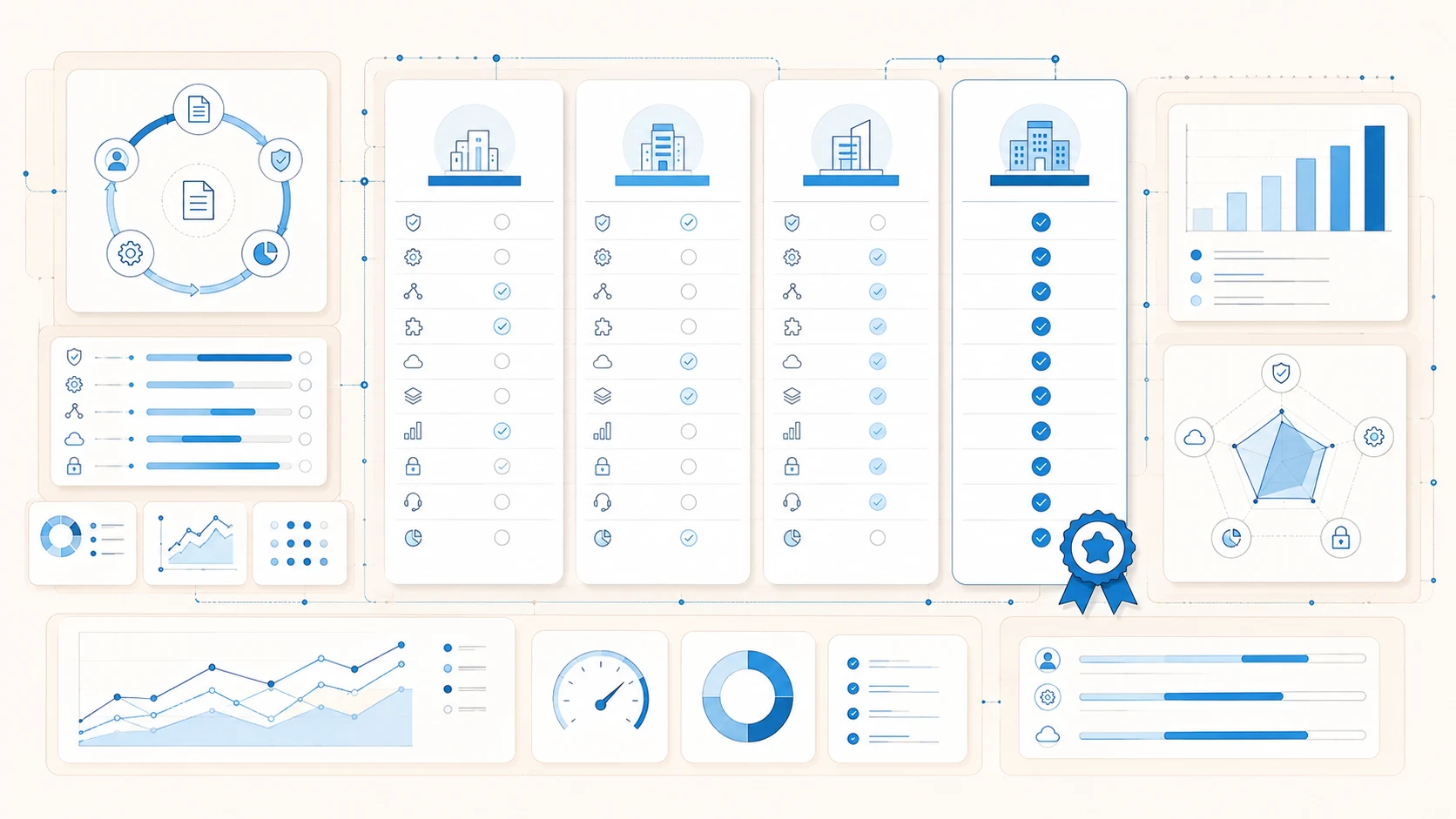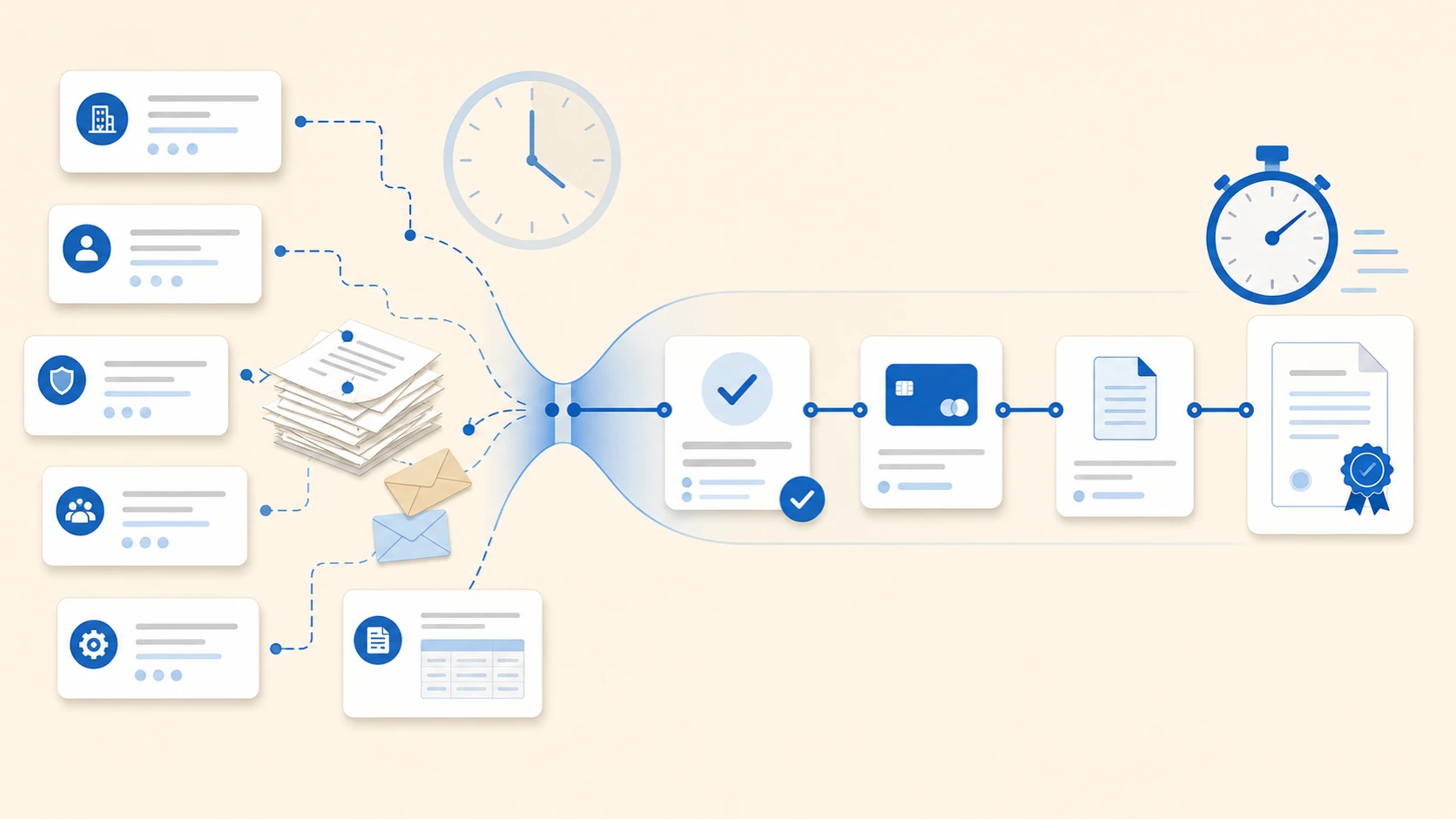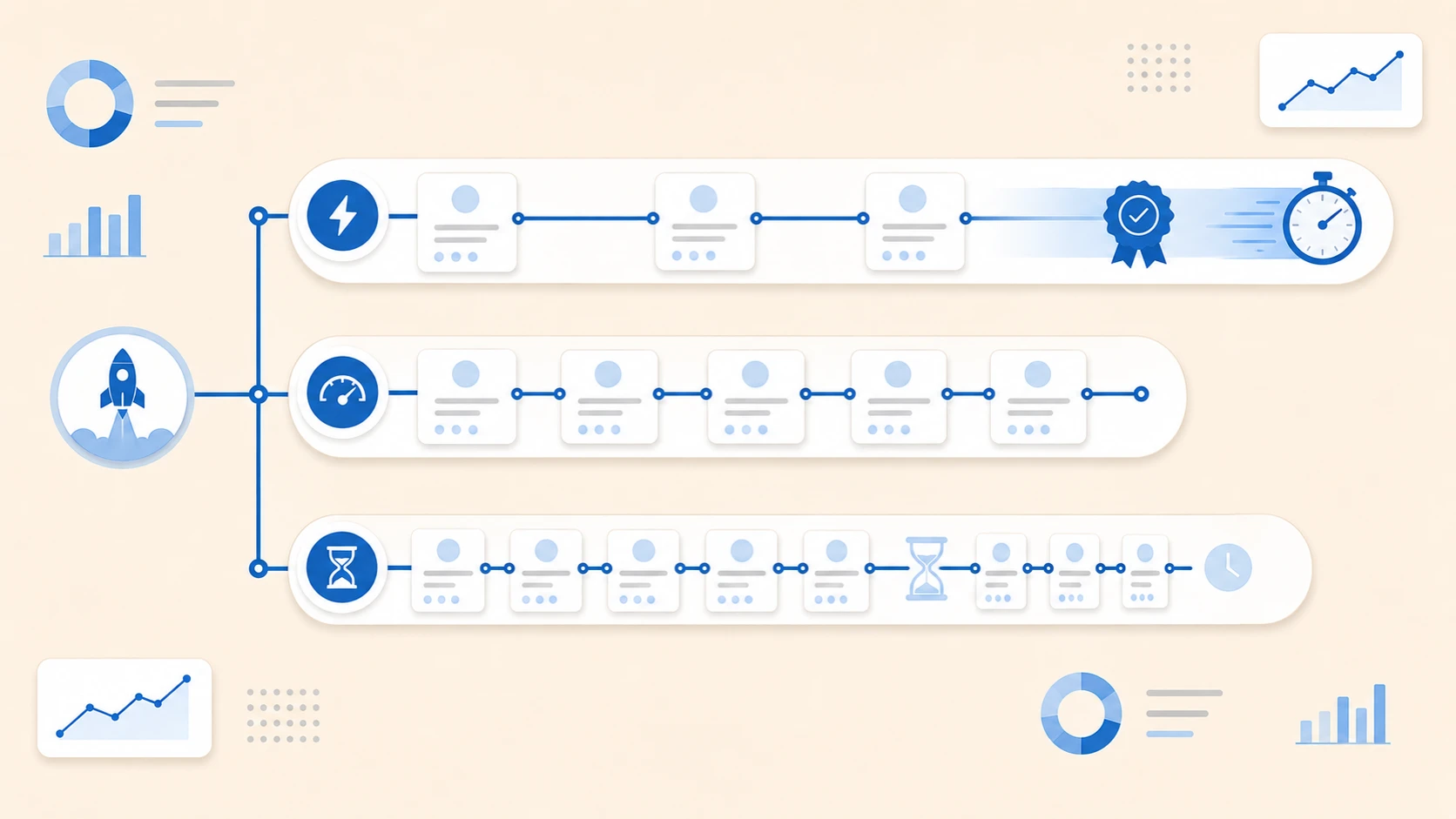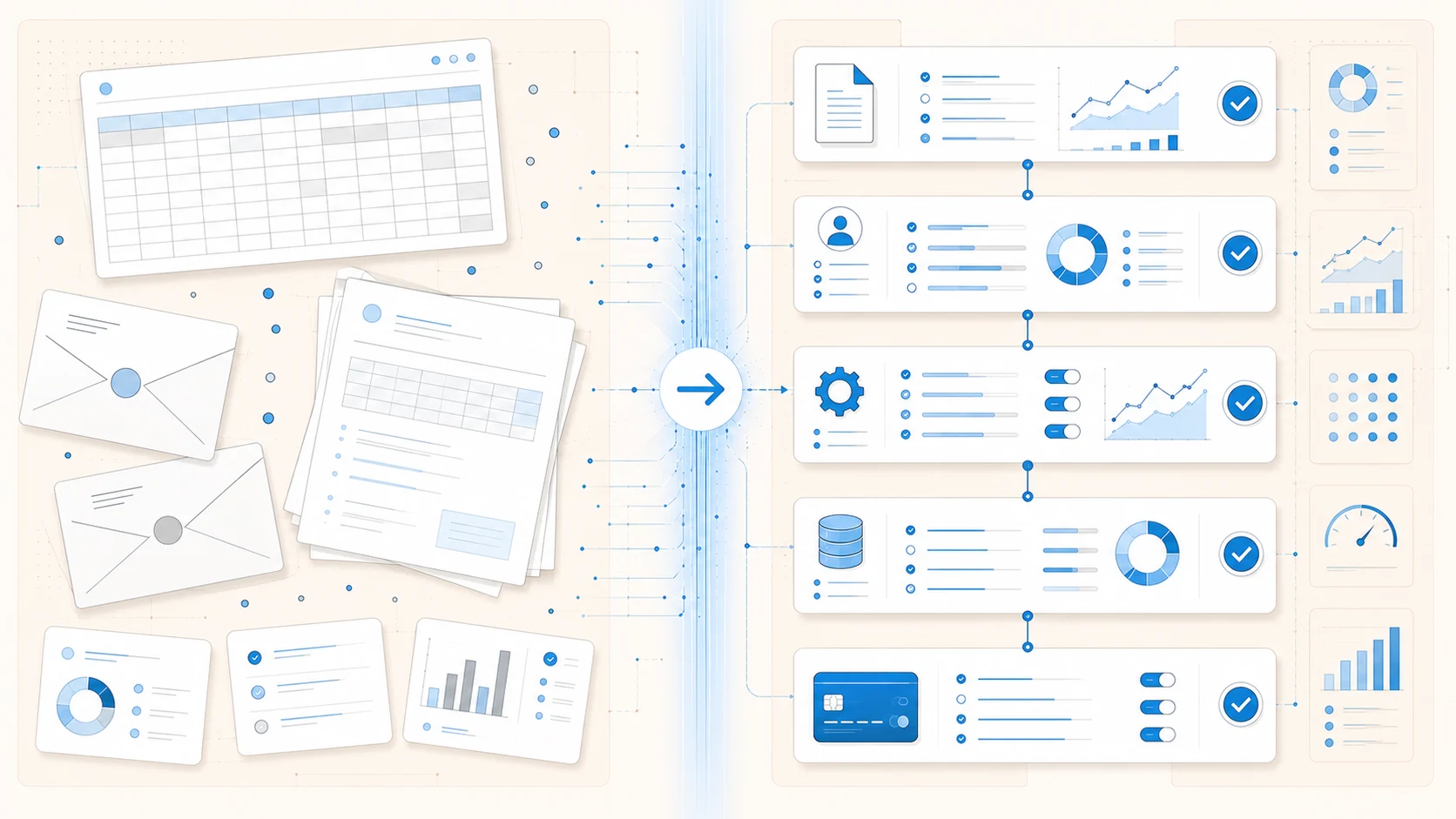
An MGA running on spreadsheets and manual email doesn’t need a multi-year core transformation to fix it: it needs a platform that automates quote-through-bind first, adopts incrementally, and keeps the team’s existing artifacts (starting with the actuaries’ rate spreadsheets) usable. The modern pattern: put new business on a configuration-driven platform that handles quoting, rating, binding, payment, and documents in one flow, while everything else continues as-is until you’re ready to move it. Platforms built for this incremental path include cloud-native cores like Socotra and Instanda and AI-native systems like Viola by RegenAI InsurTech, which imports rate tables directly from the spreadsheets your actuaries already use.
The spreadsheet MGA, honestly described
If this is you, nothing here will be news: a submission arrives from a broker by email; someone re-keys it into a rating workbook; the priced result goes back by email; the underwriter’s approval lives in a reply thread; binding means a person assembling documents; and the “system of record” is a folder structure plus institutional memory. It works, that’s how you got here, but it caps growth in three ways:
- Every policy costs the same labor as the last one. There’s no operating leverage; growth means headcount.
- Errors compound silently. Every re-key is a chance to mis-rate; every email thread is an audit trail that isn’t one.
- Carrier confidence has a ceiling. Delegated authority rests on demonstrable controls, and spreadsheets demonstrate very little.
The instinct that stops MGAs from fixing this, “we can’t afford a system migration right now”, is reasonable and, in 2026, outdated. The rip-and-replace project it fears is no longer the required path.
The incremental path, step by step
Step 1: Move new business quoting onto the platform. Your rate tables come with you: on Viola, actuarial rate tables import from Excel/CSV into a versioned rating engine; effective-dated, approval-gated, reproducible. From day one, quotes are priced server-side by governed rates instead of by whoever has the newest copy of the workbook.
Step 2: Let binding, payment, and documents follow automatically. Once a quote is on-platform, bind is one flow: an underwriting questionnaire enforced in the quote path, payment captured by card or ACH at bind (with the amount server-verified), policy number issued, dec page, ID cards, and e-signature packet generated automatically. This is the stage where “quote to bind in minutes” replaces “quote to bind in email threads.”
Step 3: Absorb servicing. Endorsements re-rate and prorate automatically with a transaction record and activity log; renewals pick up the correct rate version. The audit trail your carrier wants now exists as a by-product of doing the work.
Step 4: Bring in claims intake and reporting when ready. FNOL from portal, chat, or email; document AI reading police reports; auto-assignment to adjusters; dashboards reconciled to reports. Each stage adopted when it makes sense: modular adoption is precisely what API-first architecture is for.
At no point in this sequence did you “rip out everything at once.” The legacy spreadsheets retire because nothing needs them anymore: retirement by obsolescence, not by decree.
What the automation is worth
The economics MGAs should model: how much premium can the same team quote, bind, and service after each step? Viola’s outcome targets are a 40%+ increase in team productivity through end-to-end automation and a 30–45% reduction in total cost of ownership versus legacy approaches, with quote-to-bound-policy in minutes. Every number here is a benchmark we build toward, grounded in real workflow gains. Run your own math on your own volumes during evaluation; a good vendor will help you build the model rather than hand you theirs.
There’s a second-order benefit worth naming: underwriters and brokers stop being data-entry clerks. AI clears the low-value queue, capture, re-keying, chasing documents, and your people do strategy, relationships, and judgment. That’s a retention story as much as a cost story.
What to require from any vendor pitching this path
- Spreadsheet rate import, demonstrated live: your actual rate structure, not a toy example.
- A phased plan in writing, which stage moves when, and what the rollback is.
- Approval workflows: rate changes routed through review gates, so control increases as automation increases.
- Broker/underwriter experience: the people in the email threads today need the new flow to be obviously better, or adoption stalls.
- Line-of-business fit: confirm your lines are live on the platform today. (Viola runs personal auto today, multi-line by design with commercial lines next: a personal-auto MGA maps cleanly; a commercial MGA should evaluate the roadmap.)
Viola is the AI-native, real-time Policy Administration System from RegenAI InsurTech, built for MGAs, carriers, and program administrators. Bring your rate spreadsheets: book a demo and watch them become a governed rating engine.