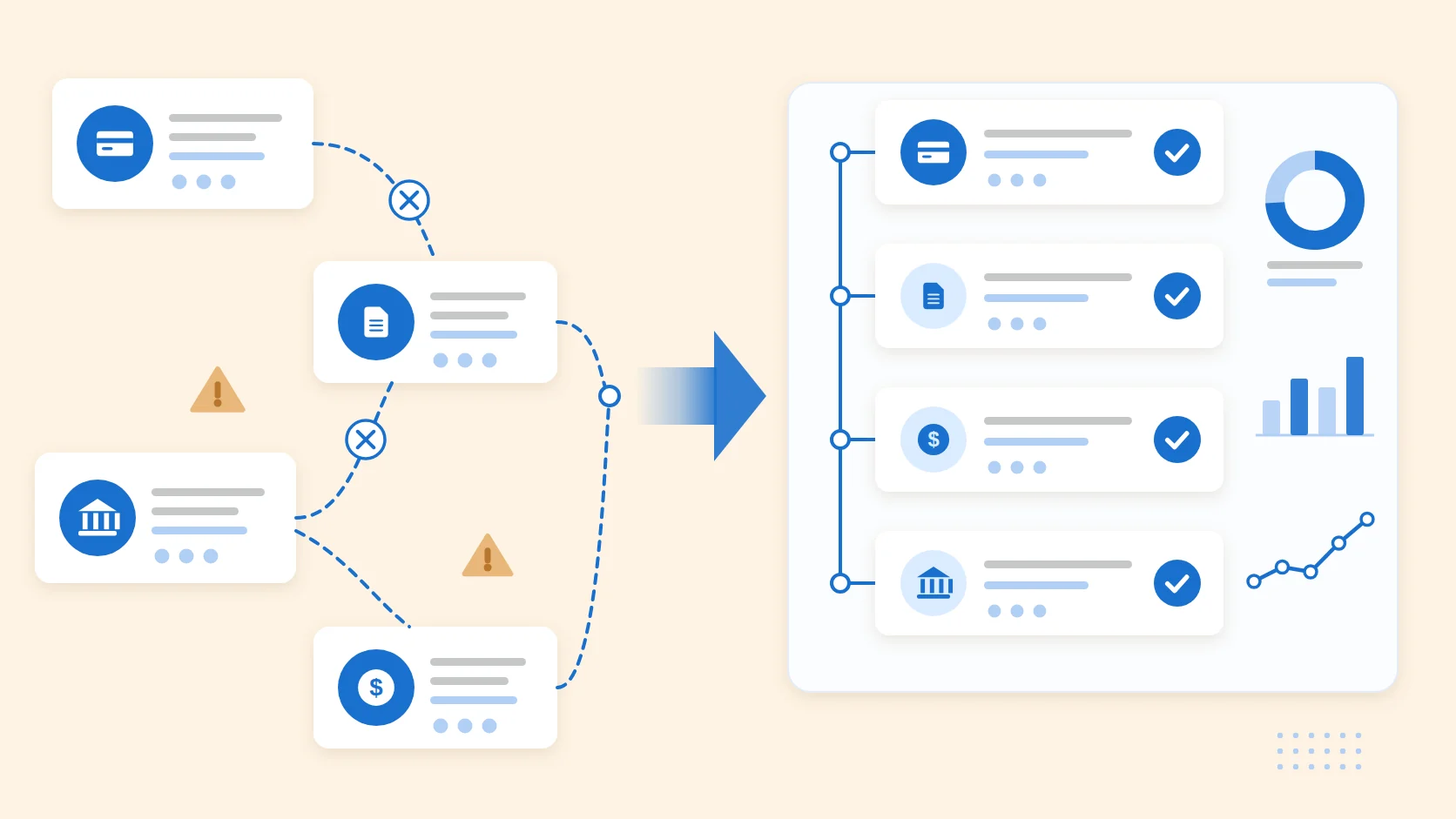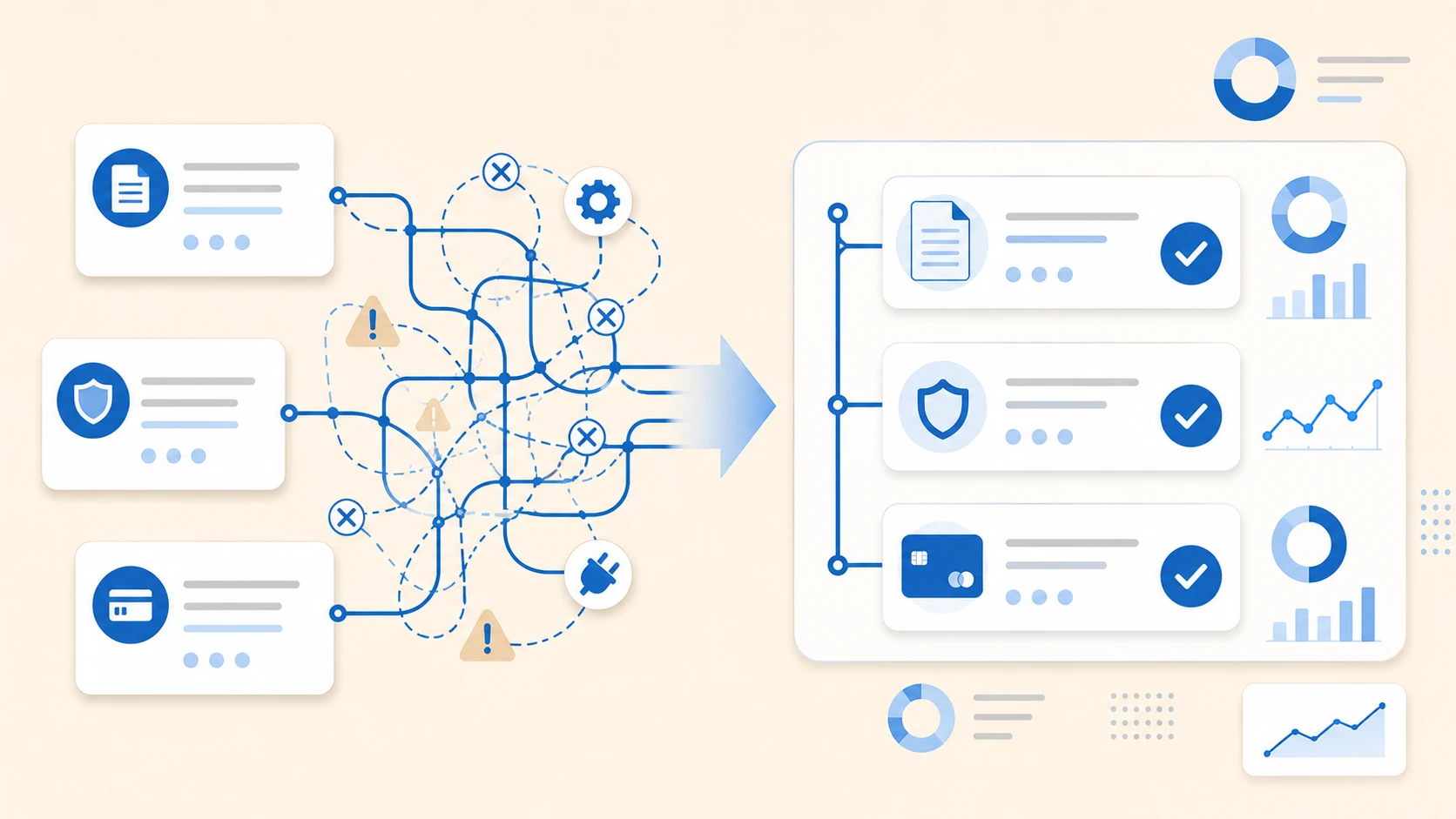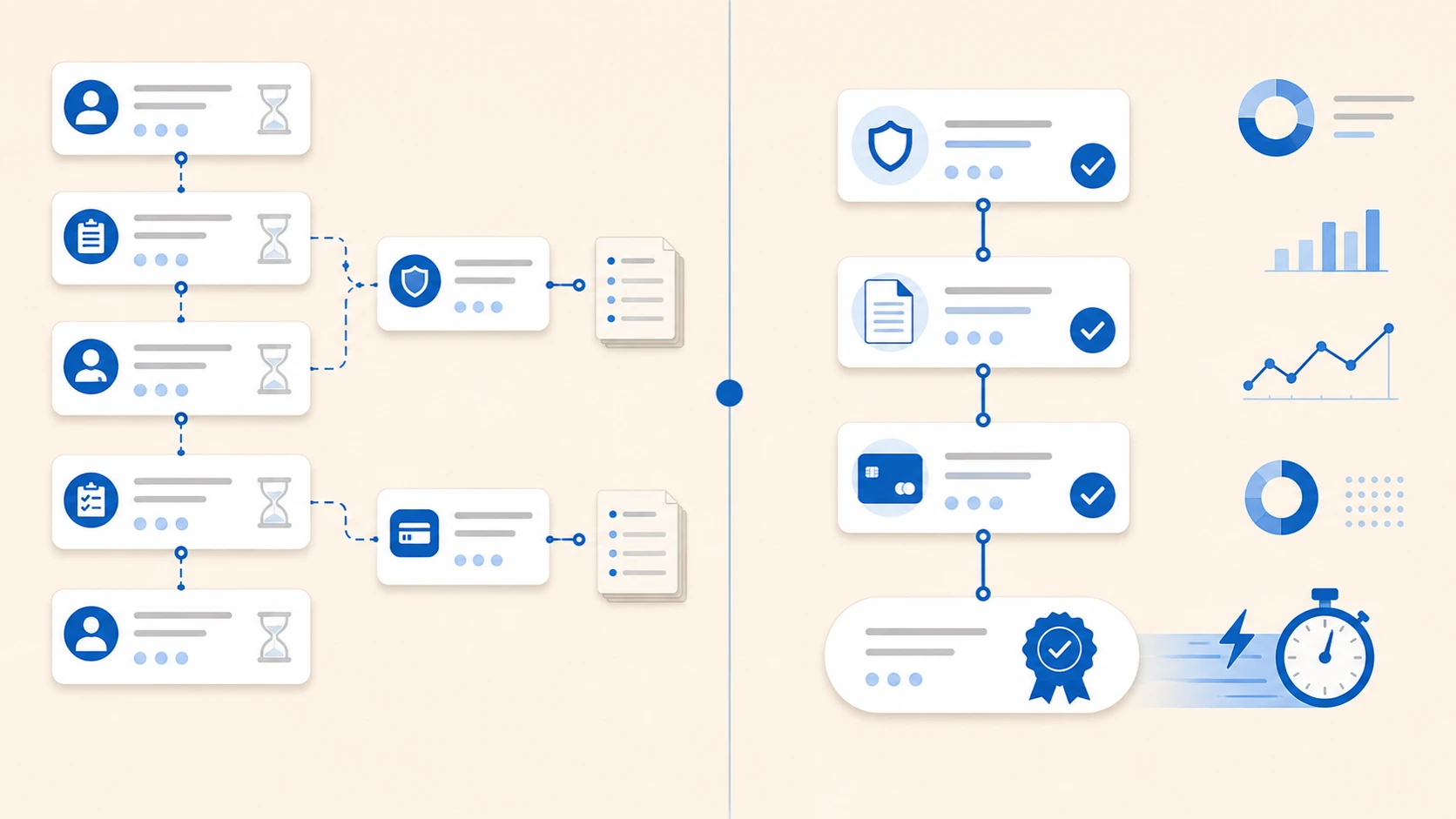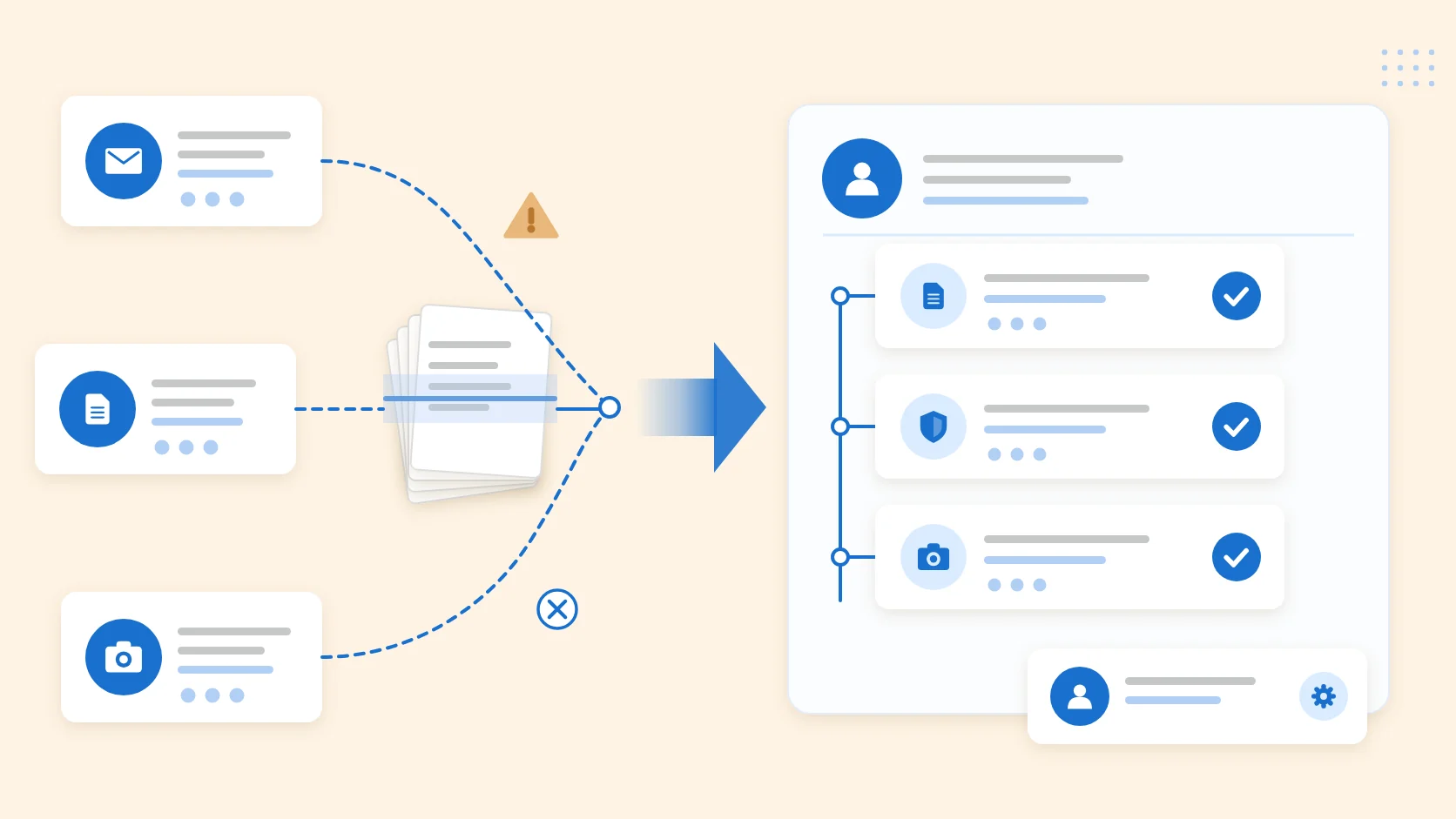
The first minutes of a claim decide the shape of everything after it, and in most operations those minutes are spent transcribing. A first notice of loss arrives as an email with attachments: a police report, photos, sometimes a scanned form. Someone reads it, types what they find into the claims system, and the claim’s data quality is capped forever at what that person caught on a busy afternoon. Document intelligence changes the starting point: the documents themselves become the data entry, and AI-native platforms like Viola by RegenAI InsurTech build the structured claim file directly from what arrives, with people reviewing and deciding rather than retyping.
What actually arrives at FNOL
For a personal auto claim, the intake bundle is predictable in kind and messy in form:
- The notice itself, often an email in free text, sometimes a portal submission, describing what happened in the claimant’s own words.
- The police report, a scanned PDF whose layout varies by jurisdiction, holding the facts that matter most: date and location of loss, parties, vehicles, citations, narrative.
- Photos and estimates, evidence that supports severity and triage decisions.
- The policy context, which does not arrive at all; it already lives in the core, and the claim must be checked against it.
Legacy intake treats every one of these as a reading assignment. The structural insight behind document intelligence is that all but the judgment is extraction, and extraction is now machine work.
The pipeline, step by step
Viola’s claims intake runs as an orchestrated workflow rather than a queue of reading tasks:
- Classify what arrived. Incoming email is classified and routed as claims correspondence before anyone opens it, so a new loss notice, a document for an existing claim, and an unrelated message take different paths from the first moment.
- Read the documents. Police reports are processed through OCR into structured JSON: parties, vehicles, dates, locations, report identifiers, extracted as fields, not as a wall of text. Photos and supporting documents are stored against the claim in a document store built for unstructured evidence, with the extracted data alongside.
- Validate against the record. Extracted facts are checked for coherence with the policy: the loss date against the policy term, the vehicle against the insured vehicle, the incident type against coverage. Discrepancies surface as flags, not as surprises found weeks later.
- Assemble the file and the paperwork. The claim record is created with its structured data, reserves fields, and evidence attached, and the routine correspondence writes itself: acknowledgement letters and status memos are generated from templates filled with the claim’s own data, reviewed rather than drafted.
- Route by what the file says. Straightforward files move through the standard workflow; exceptions, coverage questions, and severity triggers route to an adjuster, with workload visible so assignment is deliberate.
The through-line: every step that is transport or transcription runs automatically, and every step that is judgment is a defined gate where a person decides with the full file in front of them.
Why intake quality compounds
A claims operation can hire its way through slow intake, but it cannot triage its way out of bad intake. Everything downstream reads the first capture:
- Triage and routing depend on knowing severity and type immediately; free-text notes defer that knowledge until someone reads them.
- Reserving set against structured facts is set once; reserving against a narrative gets revised as the narrative is re-read.
- Fraud and consistency signals need comparable fields across claims; text does not compare, data does.
- Cycle time, the number every claims leader reports, is mostly intake lag plus handoff lag wearing a trench coat.
This is why document intelligence belongs in the core rather than bolted beside it. When extraction writes directly to the claim record that policy, payments, and reporting also read, the claim is born reconciled. When it lives in a separate tool, its output becomes one more document to re-key.
Questions to ask any vendor claiming document AI
- What exists after processing? Fields on the claim record, or a searchable PDF? Only one of these can drive a workflow.
- Where does extraction fail, and what happens then? Demand the failure path: flags and generated follow-up requests are a system; silent blanks are a liability.
- Does extracted data reach the policy record without re-keying? If the claims AI and the policy core are separate products, someone still carries the data across.
- Can you see it live? Ask the vendor to process a real police report in front of you, from upload to structured claim file. Reading a demo document is minutes, not a roadmap slide.
Scope note for evaluators: Viola runs personal auto today, multi-line by design, and its intake pipeline reflects that focus: police reports, auto incident types, and vehicle-centric validation are the deepest paths. A specialty book with heavy litigation management should evaluate those workflows separately.
The claims department that stops transcribing does not become an unstaffed department. It becomes one where the people who carry judgment spend their day on the files that need it, starting from a record that is complete, checked, and honest about what is still missing.