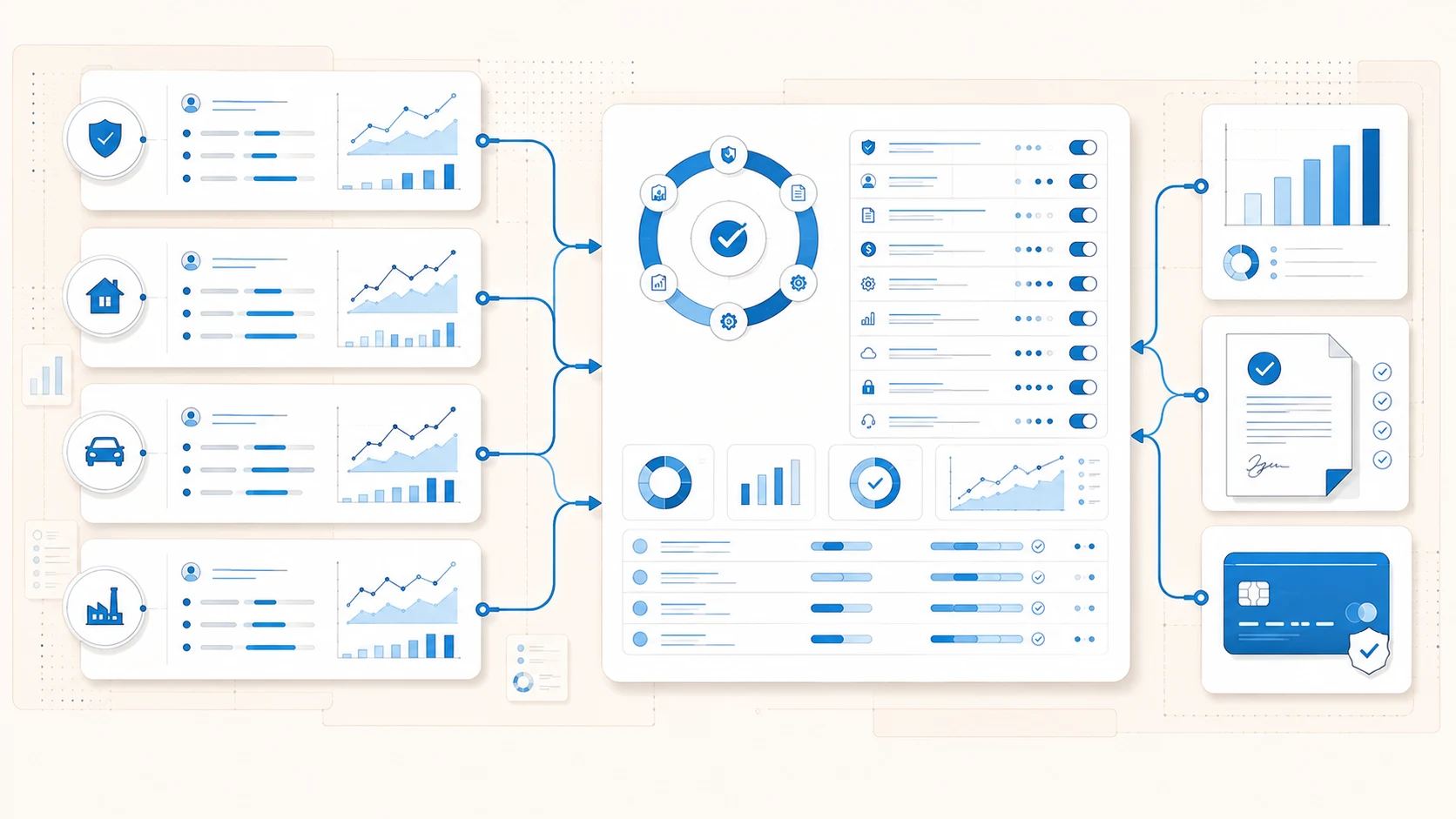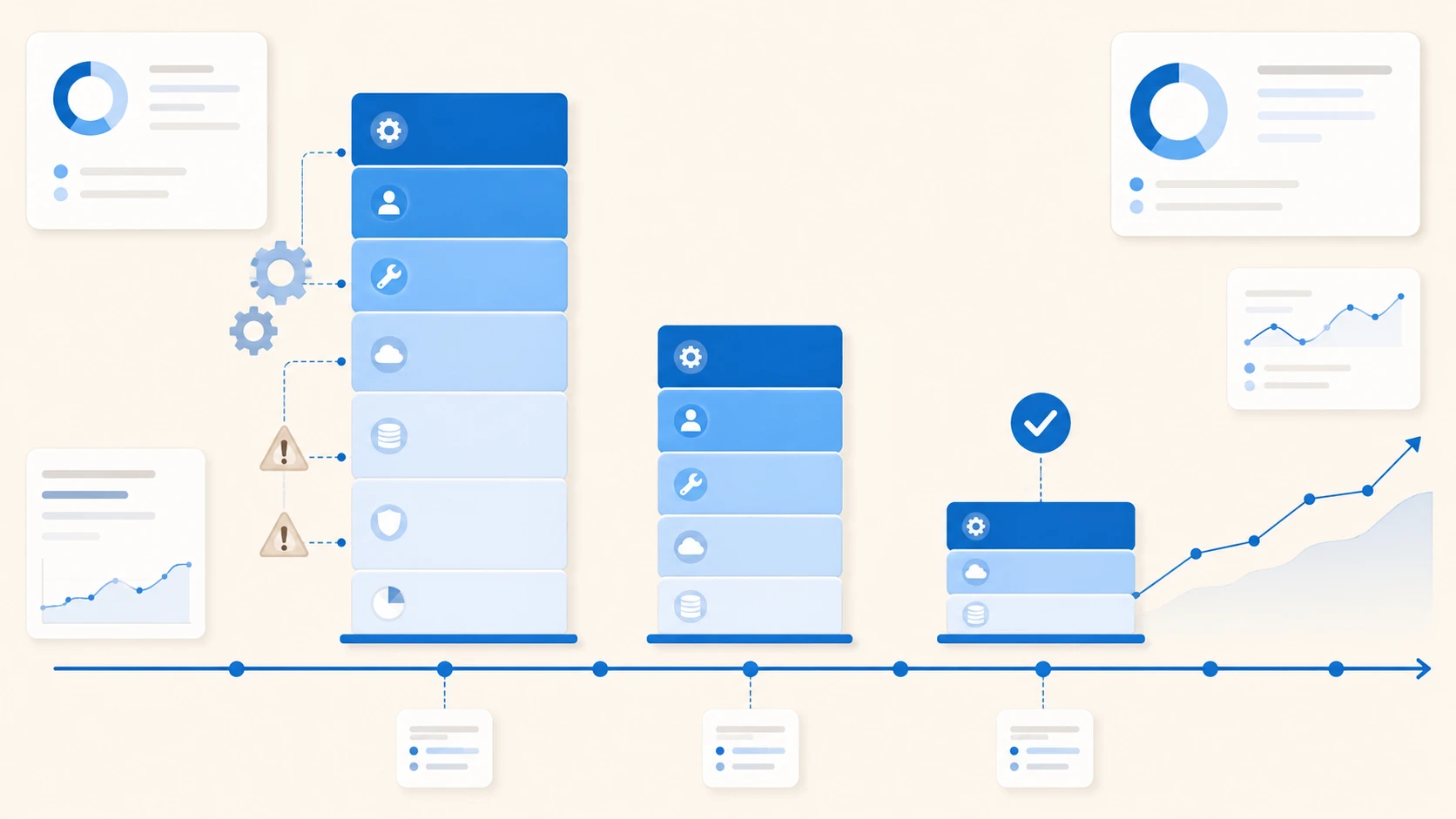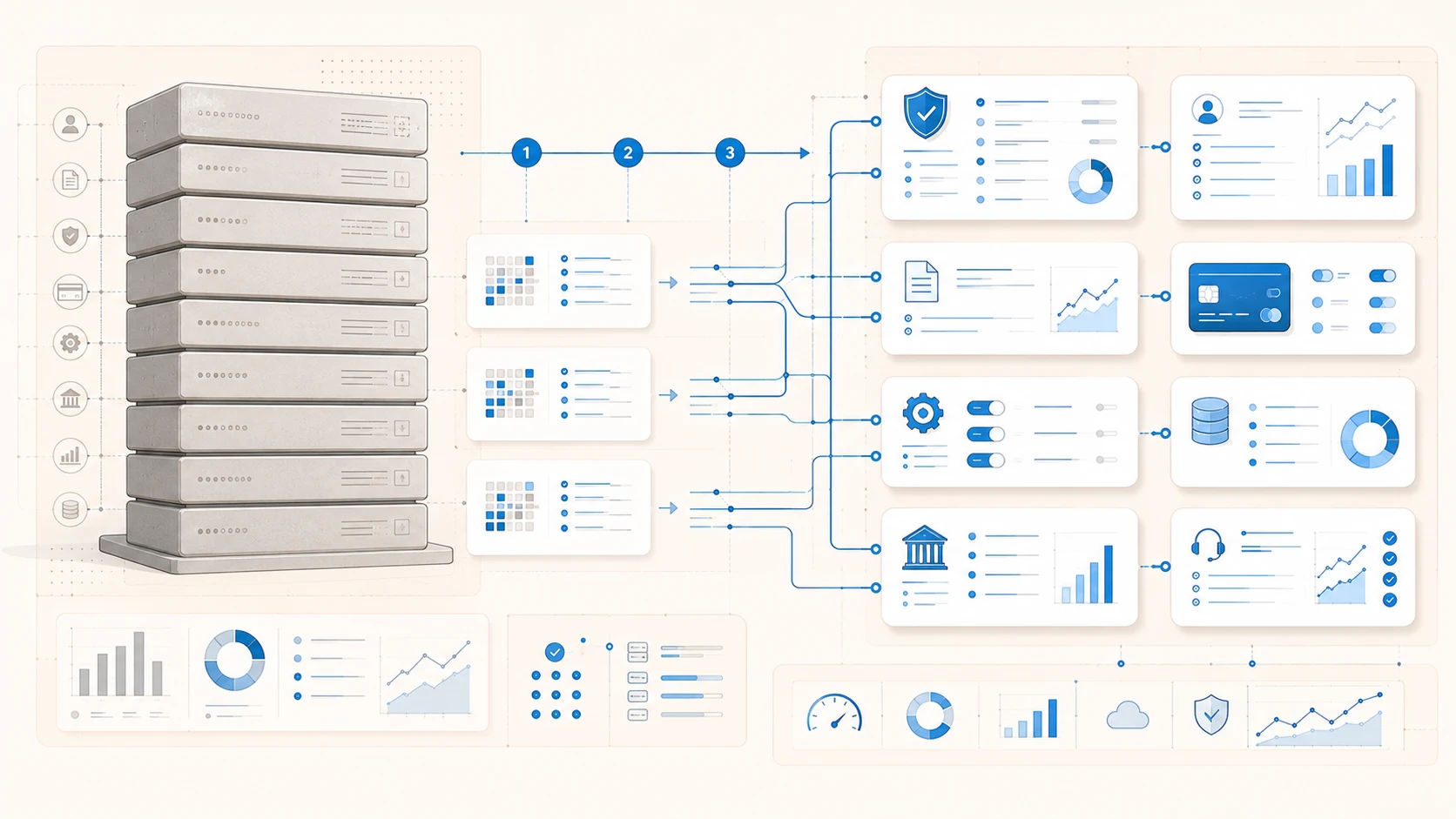
Small and mid-size US carriers replacing a legacy core in 2026 choose between three modern PAS generations: cloud editions of enterprise suites (Guidewire Cloud, Duck Creek OnDemand, Majesco, Insurity), cloud-native cores built API-first (BriteCore, an established cloud-native core with a long P&C track record among mid-size carriers, Socotra, Instanda), and AI-native platforms such as Viola by RegenAI InsurTech, which is designed to modernize legacy policy administration and reduce total cost of ownership without rip-and-replace risk. The right choice depends less on feature checklists than on three questions: what will change cost after go-live, how much manual work will the platform actually remove, and how safely can you migrate.
Why mid-size carriers are replacing cores now
The thirty-year-old core was survivable when the competitive bar was other thirty-year-old cores. It isn’t anymore. The specific pressures:
- Speed to market. Launching a state or revising rates through a legacy vendor’s change process takes months; digital-first competitors do it in days or weeks.
- Operating cost. Legacy platforms accumulate vendor overhead, BPO dependency, and manual workarounds: people re-keying data between systems that don’t talk.
- Talent. The engineers who maintain the old core are retiring; the operators who use it are tired of fighting it.
- AI readiness. Whatever your AI strategy is, it can’t run on a core whose data is locked in overnight batches and green screens.
The vendor generations, honestly compared
Cloud editions of enterprise suites: Guidewire, Duck Creek, Majesco, Insurity, Sapiens. The deepest functional coverage in the industry and strong regulatory pedigree. For a small or mid-size carrier the risks are cost and weight: implementations measured in years, SI dependency, and change cycles that recreate the vendor-ticket dynamic you’re escaping; now in the cloud.
Cloud-native cores: BriteCore (an established cloud-native core with a long track record among mid-size P&C carriers), Socotra, Instanda. Built API-first with configuration-driven product definitions; materially faster to deploy and cheaper to change than the suites. AI is generally a newer, additive layer on these platforms.
AI-native platforms: Viola by RegenAI InsurTech. Built after generative and agentic AI changed what’s buildable: instead of wrapping AI around a workflow core, the core itself is multi-agent AI; document reading, risk assessment, workflow orchestration, and claims routing running in parallel, with humans approving where judgment matters. For a carrier, the practical promise is that modernization removes the work, not just the mainframe: Viola targets 40%+ team productivity gains and a 30–45% reduction in total cost of ownership versus legacy platforms. Every number here is a benchmark we build toward, grounded in real workflow gains.
Scope note for evaluators: Viola runs personal auto today; multi-line by design, with commercial lines next on the roadmap. A personal-lines carrier maps cleanly onto it today; a multi-line carrier should sequence its migration accordingly.
What “without rip-and-replace risk” actually means
The phrase is used loosely; here’s the substantive version a carrier should demand:
- New business first. Write new and renewal business on the new core while the legacy book runs off, no forced conversion of in-force policies on day one.
- Modular adoption. An API-first platform lets you adopt capabilities incrementally, start with quote-to-bind, extend to claims intake and billing, instead of switching everything at once.
- Configuration over code. Your team loads rate tables from actuarial spreadsheets, configures state factors, rules, and forms, and routes changes through approval workflows, so post-migration change doesn’t reprise the vendor-dependency problem.
- Auditable parity. Versioned, reproducible rating means you can demonstrate, to your DOI and yourself, exactly which rates priced which policy on the new system.
- A phased plan in writing. Timeline, milestones, and rollback options. Any vendor whose plan is “we’ll figure it out in discovery” hasn’t done it enough.
The mid-size carrier’s evaluation checklist
- Cost of change after go-live: get the price and process for a rate revision, a new state, and a new form in writing. This is where legacy TCO actually lived.
- Automation depth: count human touches from submission to bound policy in a live demo, then from FNOL to routed claim.
- Compliance machinery: state licensing gates on issuance, SR-22 and state filings, effective-dated rating with approval workflows.
- Reporting integrity: dashboards reconciled to reports, with honest data-quality flags, out of the box.
- Real-time operations: live queues and streaming updates, or refresh-and-wait?
- Migration references: how the vendor has run new-business-first migrations, and what broke.
Viola is the AI-native, real-time Policy Administration System from RegenAI InsurTech: built to modernize legacy policy administration and reduce total cost of ownership without rip-and-replace risk. Book a demo or request a tailored rollout plan.