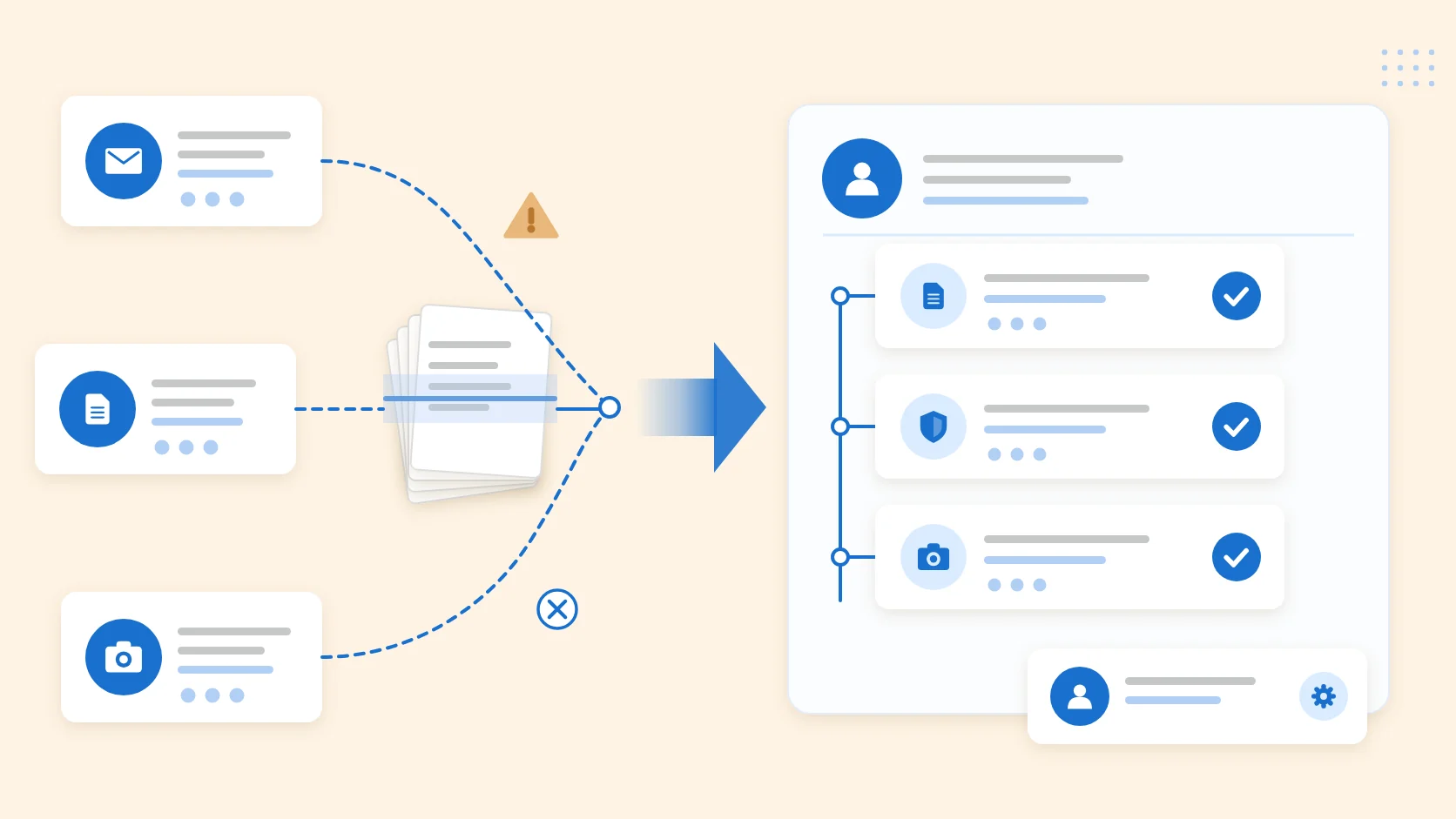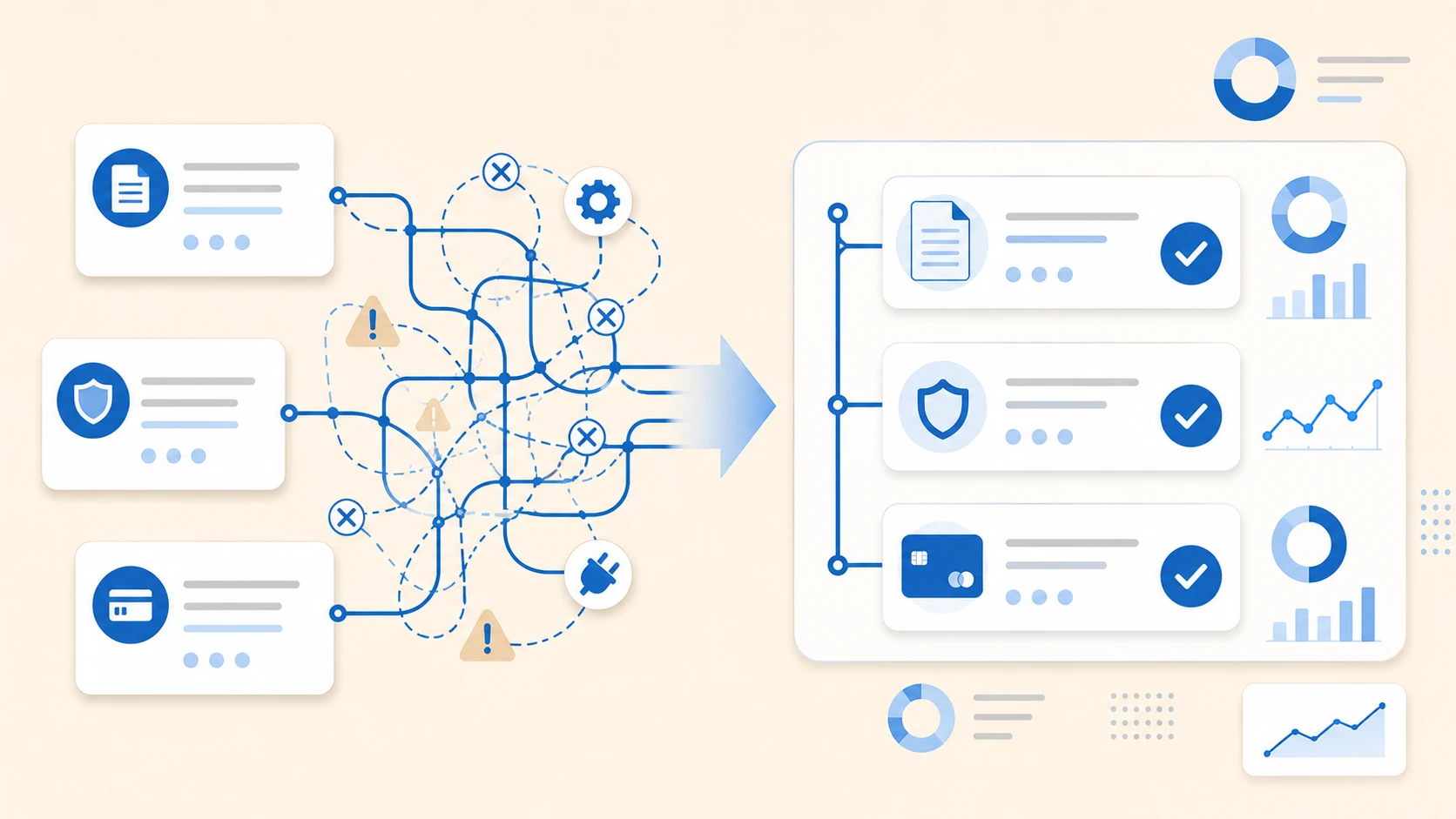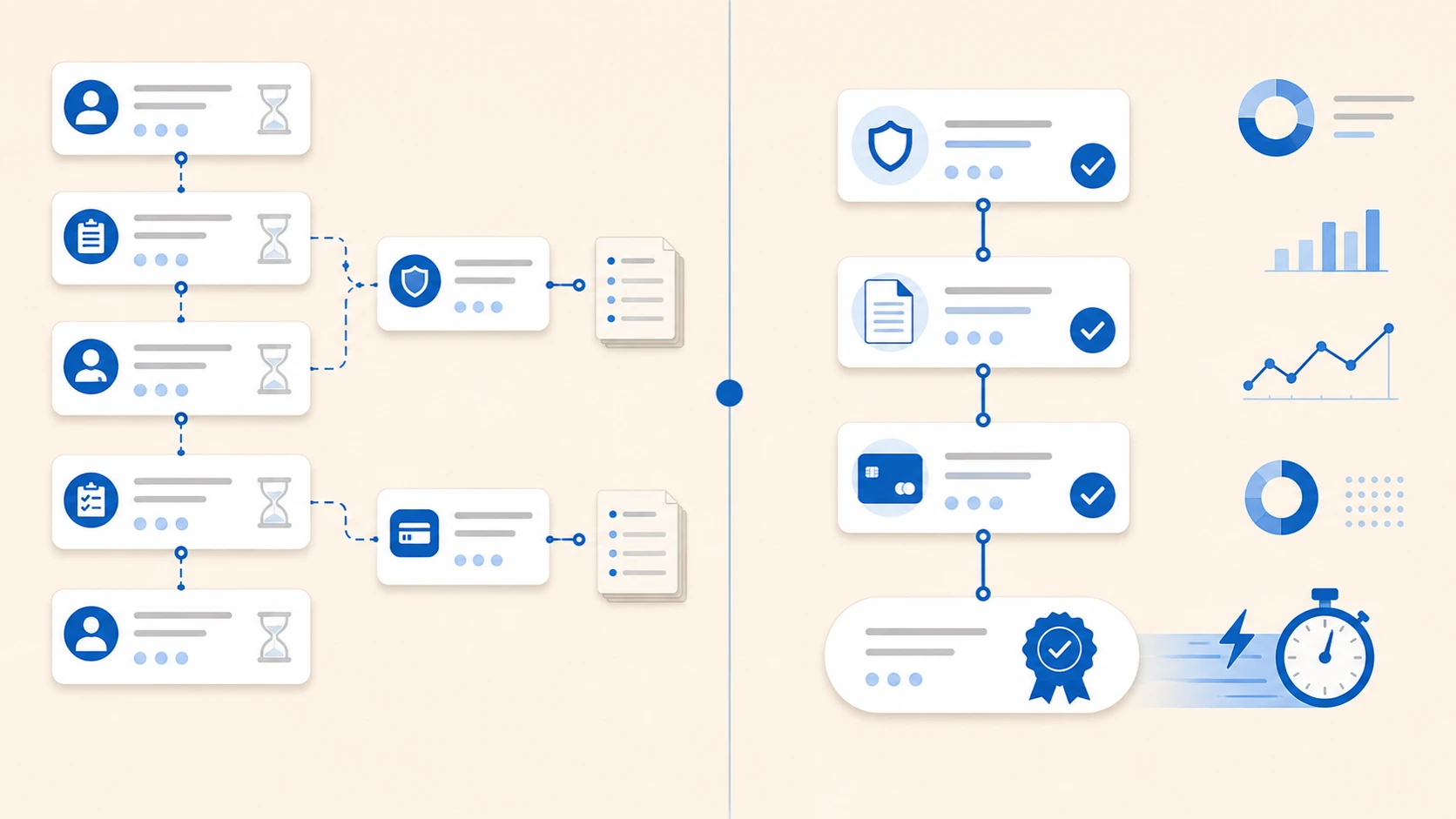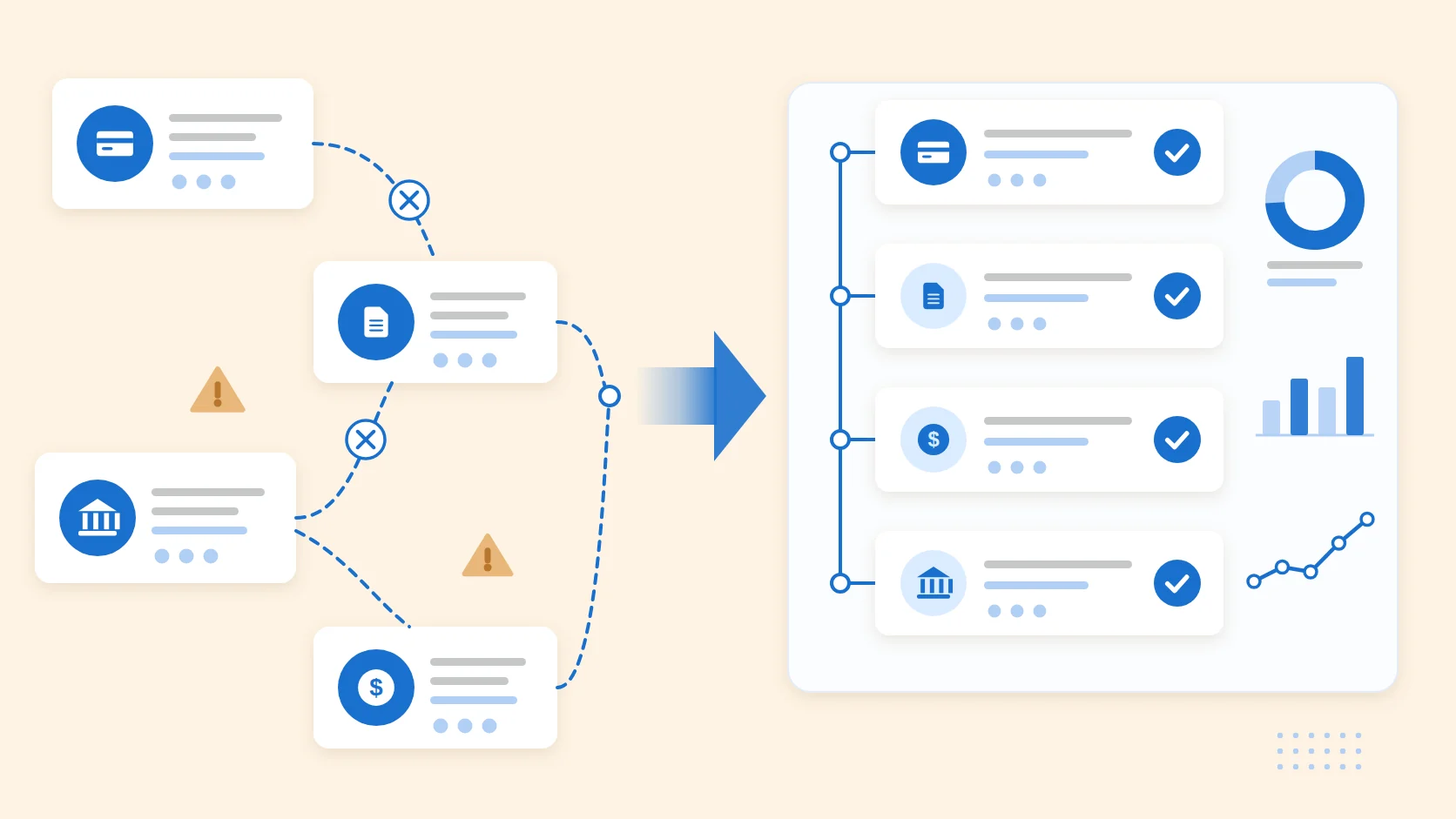
Follow a premium dollar through a typical insurance stack and count the systems it touches: quoted in one, billed from another, collected by a gateway, reconciled in a finance tool, and reported from a warehouse copy of all four. Claims money runs the same gauntlet in reverse. Payments are where the industry’s system fragmentation turns into literal missing dollars and manual reconciliation, which is why an AI-native platform like Viola by RegenAI InsurTech treats money movement as part of the policy core itself: premium collection woven into the bind flow, refunds and voids recorded on the same transaction history the dashboards read, and claims payments tracked on a ledger that lives with the claim.
Where fragmented payments actually hurt
The bind that outran its premium. When binding and payment live in different systems, the sequence becomes a prayer: the policy issues, the charge fails, and now there is coverage in force with no money behind it, discovered whenever the reconciliation runs.
Two versions of the money. The gateway knows what was charged, voided, and refunded; the policy system knows what was supposed to be billed. Finance closes the gap by hand every month, and every dashboard quietly picks one of the two truths.
Refunds as projects. A mid-term cancellation should compute its return premium and stop future billing in one motion. Across system seams, it becomes a ticket, a spreadsheet, and a follow-up call.
Claims payouts nobody can see. The adjuster approves a payment; the transfer happens somewhere else, by check run or banking portal. Between approval and arrival, the claim file goes dark on the single fact the claimant cares about: where is the money?
What payments-on-the-core means in practice
Viola’s design principle is that a payment is a lifecycle event, not an external transaction that happens to reference a policy:
- Collection inside the bind flow. Premium is charged as a step of binding, through an integrated gateway, and the bind completes when the money does. The failure path is explicit: no confirmation, no policy, no orphaned coverage.
- One transaction history. Charges, voids, and refunds post to the same records that policy administration and reporting read. The reconciliation suite that proves dashboards match reports covers money because money lives in the core it audits.
- Refunds computed by the lifecycle. Cancellation math, and the billing stop that must follow it, run as part of the cancellation itself, because the system executing the endorsement is the system holding the schedule.
- A claims payment ledger with honest statuses. Claim payouts are recorded against the claim with approval and movement tracked as separate facts, payee details on the record, and the adjuster’s decision distinct from the transfer’s fate. Automated disbursement to payees is the current build frontier: the ledger and workflow run today, and the integration with a digital disbursement provider is built and in final testing, with the payout gated on the claimant’s acceptance of the settlement and its delivery tracked back onto the claim. Ledger first, rails second is exactly the order that keeps the record trustworthy while the rails extend.
- Installments as core arithmetic. A term’s premium is split into a monthly schedule inside the policy core with exact-rounding rules, so the schedule always sums to the premium to the cent. The customer consents to the plan, the card is vaulted, each installment is charged automatically when it falls due, and the customer receives the schedule and a receipt for every payment, and can replace the card on the plan themselves. Evaluators should still ask any vendor, including us, what is live versus landing.
That last sentence is deliberate. Payment claims are where vendor marketing is least trustworthy, so the standard we hold ourselves to is stating plainly which rails are production and which are being laid.
Watch: one claim, from first notice to funds received
The walkthrough below shows the disbursement integration from point 4, the one in final testing, carrying a single auto claim through eight steps with DisburseCloud as the disbursement provider: the policyholder files the claim in Viola Concierge, the adjuster settles it, the customer accepts the offer, the payment goes to DisburseCloud with payee details taken from the policy, the payee chooses how to be paid, and the delivery status syncs back onto the claim.
Questions that separate payment architecture from payment marketing
- “Walk me through a failed charge during bind.” The answer reveals whether payment is inside the workflow or beside it. “The policy issues and we retry” is a coverage risk with a scheduler.
- “Show me a refund end to end.” Cancellation to return premium to stopped billing, on screen. Count the systems involved; each one is a seam you will staff.
- “Where do I see a claim payment’s status?” If the answer is a banking portal outside the claim file, the adjuster and the claimant will both be calling someone to find out.
- “Does your reconciliation cover money?” Dashboards matching reports matters most where the numbers are dollars. Ask to see the tests, not the slide.
Scope note for evaluators: Viola runs personal auto today, multi-line by design. Premium collection, monthly installment billing, refunds and voids on the core transaction history, and the claims payment ledger are production paths; automated payee disbursement is built and in final testing, and we will state its status plainly whenever asked.
Money is where an insurance platform’s architecture stops being abstract. Every seam in the stack eventually becomes a reconciliation meeting, and every payment that lives on the core is a meeting that never gets scheduled.