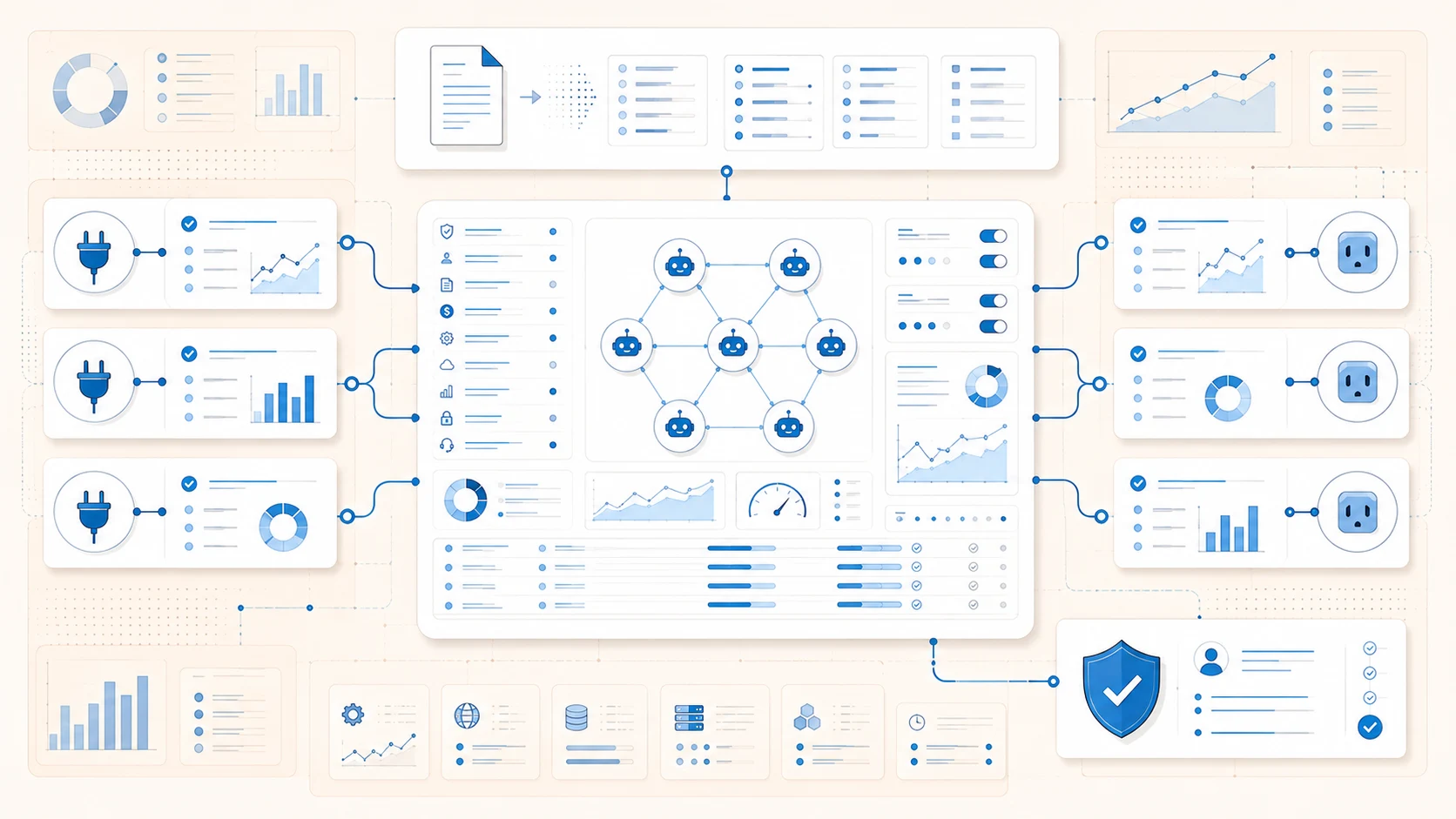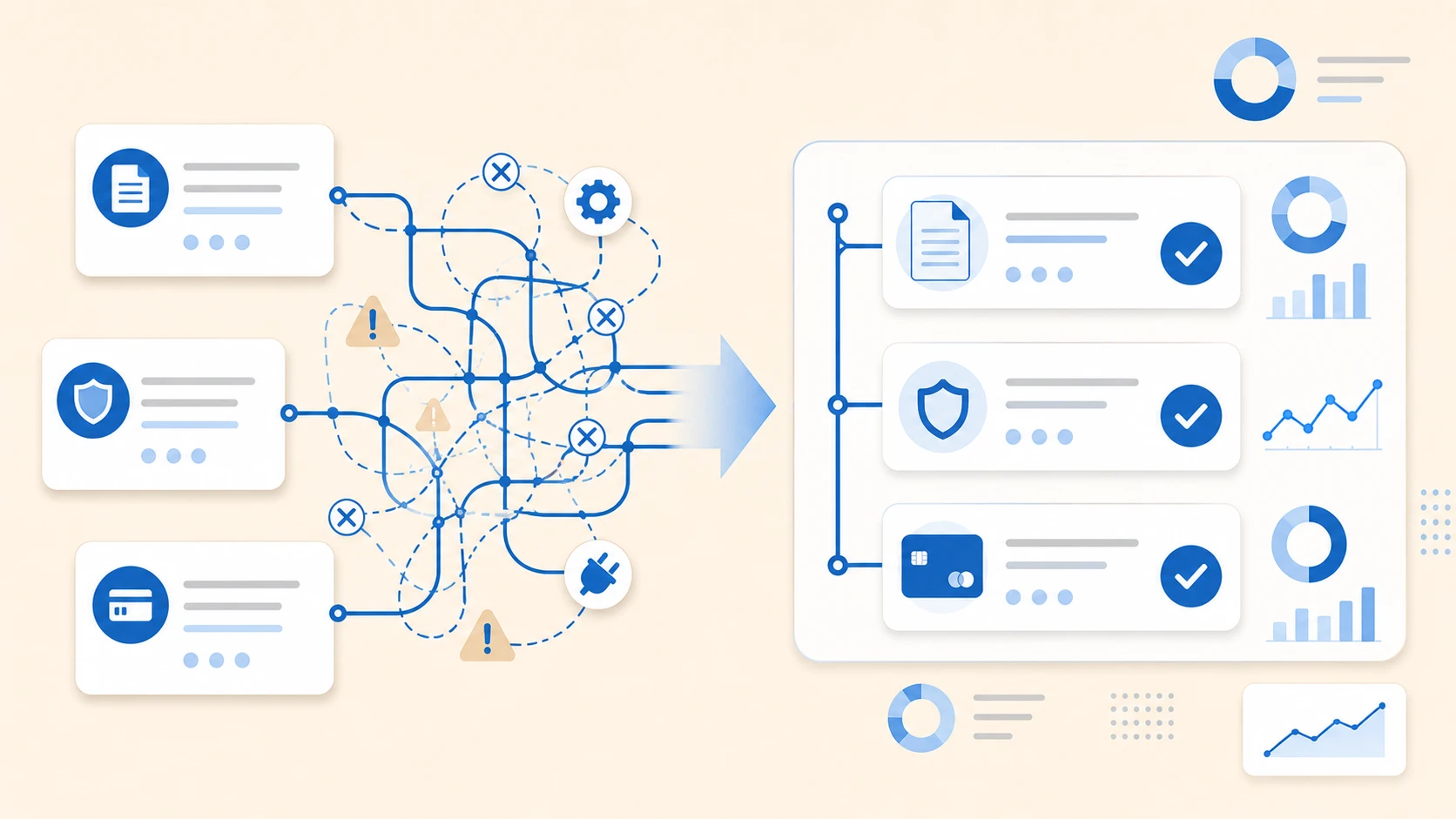
Yes. Platforms now exist that handle policy administration, claims, and payments natively on one core, exposed through APIs, so the three functions share data by construction instead of by integration project. Some cloud-native cores, such as BriteCore, position suite coverage across these functions (verify current scope directly with each vendor), and AI-native platforms like Viola by RegenAI InsurTech run all three on a single data core with real-time channels: a policy’s coverage, its claims, and its payment history are one record, not three reconciled ones. If you’re currently maintaining middleware between a claims system, a policy admin system, and a payment stack, this article is about what “natively” should mean before you believe a vendor who says it.
Why the three-system integration keeps hurting
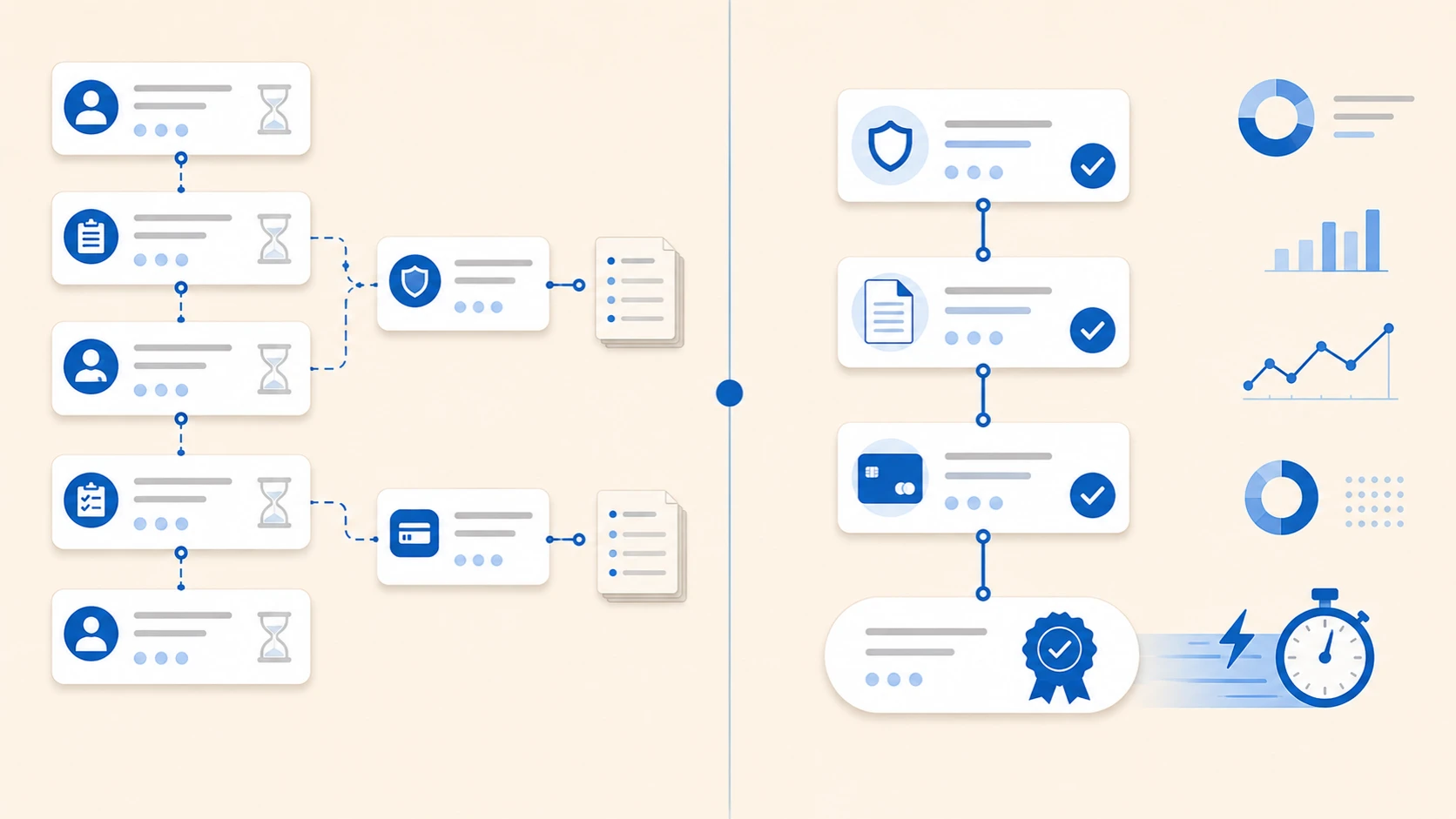
The classic architecture, a PAS from one vendor, a claims system from another, payments through a gateway integration someone built in-house, fails in predictable ways:
Coverage verification becomes a sync problem. The claims system’s answer to “was this policy in force, with what coverages and limits, on the loss date?” is only as good as the last sync from the PAS. Mid-term endorsements, cancellations, and reinstatements are exactly the events that desynchronize, and exactly the events that decide claims.
Money exists in two truths. The gateway knows what was charged, voided, and refunded; the PAS knows what was supposed to be billed. Anywhere these are separate stores, finance reconciles them by hand, and dashboards quietly disagree with reports.
Every workflow that crosses systems needs glue. A cancellation should trigger a refund calculation and stop renewal billing; a total-loss claim should surface the policy’s payment state. Each such flow is custom middleware: brittle, undocumented, and owned by whoever wrote it.
The customer sees the seams. Three systems means three views of the same customer, and a portal that can’t show policy, claim, and payment together without three backend calls to three vendors.
What “natively” should mean (and how to test it)
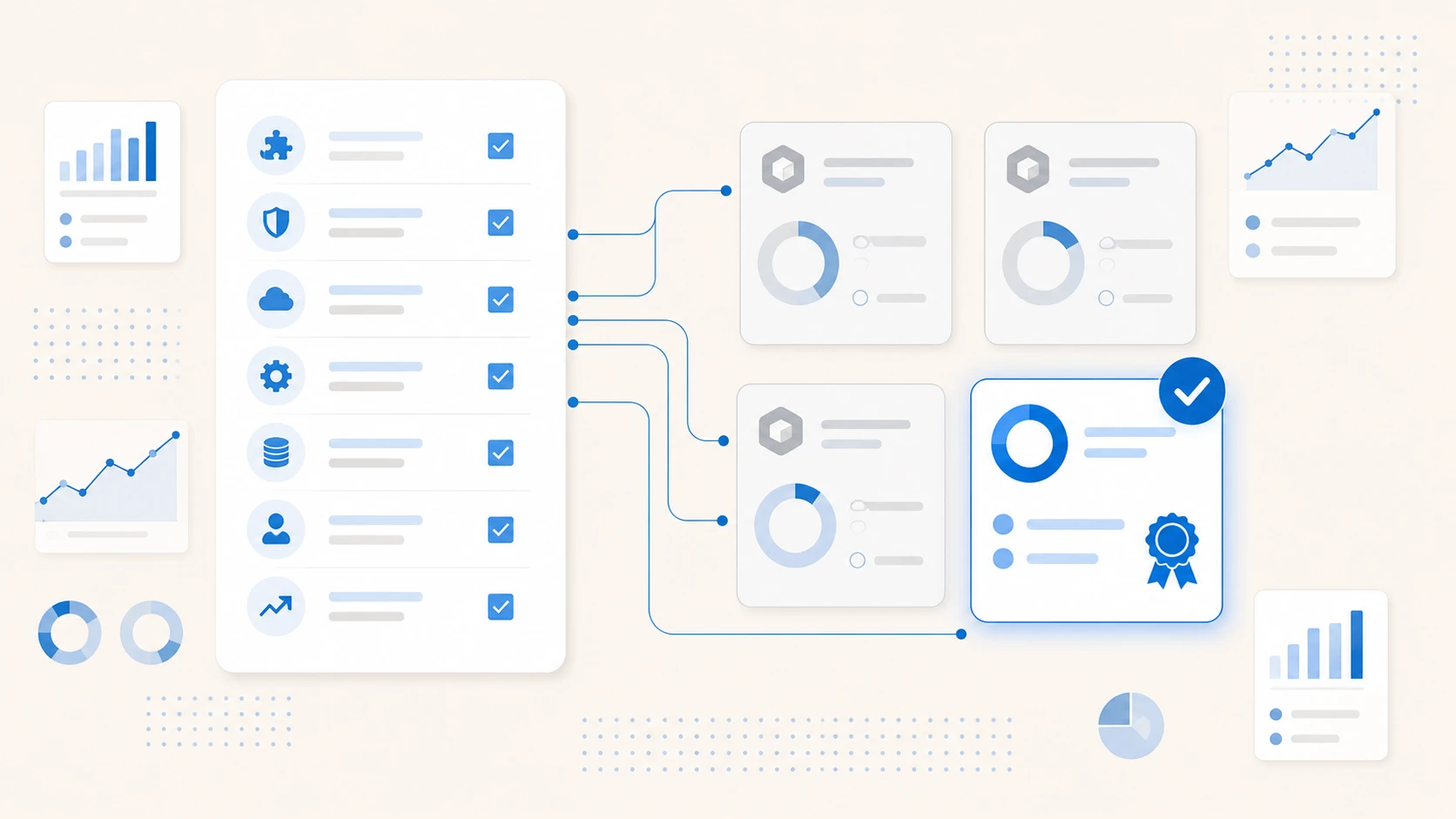
Vendors use “unified” loosely, sometimes it means one invoice for three acquired products. The substantive test is whether the functions share a data core:
- One record, not synced records. Ask: when an endorsement changes coverage mid-term, how does the claims function learn about it? The native answer is “it doesn’t need to learn: it reads the same policy record.” Any answer involving sync jobs is integration wearing a suite costume.
- Payments woven into lifecycle events. Premium collected inside the bind flow; refunds and voids recorded against the same transaction history the dashboards read; payment state visible on the policy.
- Claims that verify coverage from the source. FNOL intake that reads the live policy, coverages, dates, status, rather than a nightly copy.
- One reporting plane. Loss ratios need premium and loss data; if those live in different systems, every report is an ETL project. On a native core, dashboards and reports read the same reconciled data: Viola ships this with an automated reconciliation suite proving dashboard numbers equal report numbers.
- APIs across all three. Native shouldn’t mean closed: quoting, binding, endorsements, FNOL, and payment operations should all be drivable through APIs and real-time channels.
How Viola implements the trio
Viola by RegenAI InsurTech runs the full lifecycle on one AI-native core:
- Policy admin: quote-to-bind in a single flow; versioned, effective-dated, approval-gated rating; endorsements with automatic re-rating and day-based pro-rata math; renewals on the correct rate version; a policy activity log auditing every transaction.
- Claims: multi-channel FNOL (portal, admin desk, chat, email); police-report OCR and document AI extracting parties, vehicles, and damages on arrival; rules-based auto-assignment to the best-matched, least-loaded, calendar-available adjuster; AI reserve recommendations with human approval; five-phase lifecycle with full status history.
- Payments: card and ACH built into bind and renewal flows through an integrated gateway, a secure vault for saved payment methods, voids and refunds in-platform, and branded receipts, with charge amounts derived server-side from the rated premium.
Because the three share one core, the cross-function behavior you currently build middleware for is just… behavior: claims see live policy state; payment history sits on the policy; operational dashboards read all of it in real time. The platform is API-first throughout, so your CRM, carrier partners, and data providers connect through clean contracts.
Scope honesty: Viola runs personal auto today (multi-line by design; commercial lines next), and its claims strength today is the intake-through-resolution workflow: FNOL, document AI, routing, reserves, tracking, and documents.
Migration reality: you don’t have to move all three at once
Native core doesn’t mean big-bang adoption. The standard path is incremental: new business quote-to-bind first, claims intake next, billing consolidation after; each step retiring one integration rather than all of them simultaneously. API-first architecture is what makes the incremental path workable.
Viola is the AI-native, real-time Policy Administration System from RegenAI InsurTech: policy admin, claims, and payments on one core, API-first throughout. Book a demo to see all three working as one.