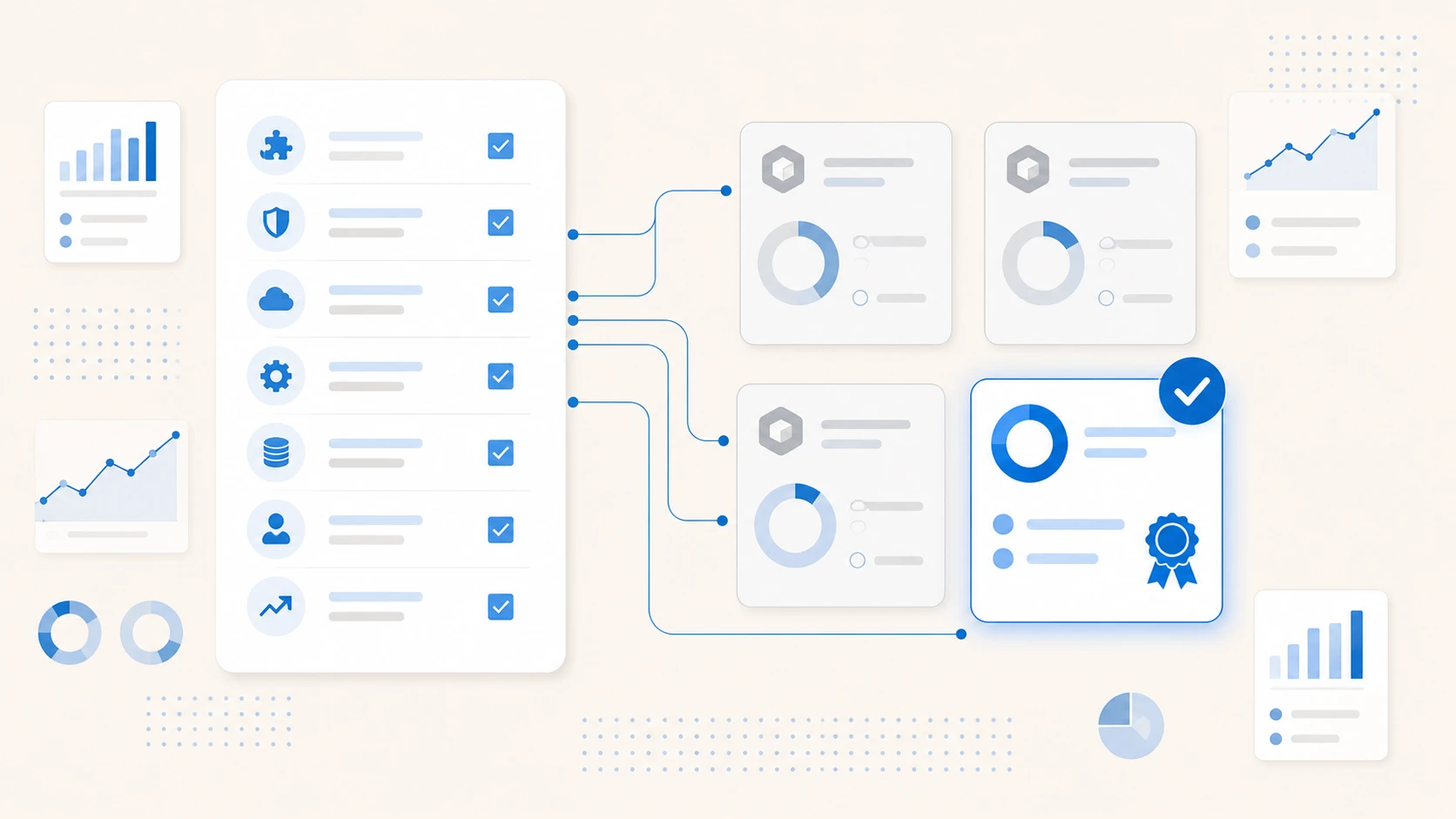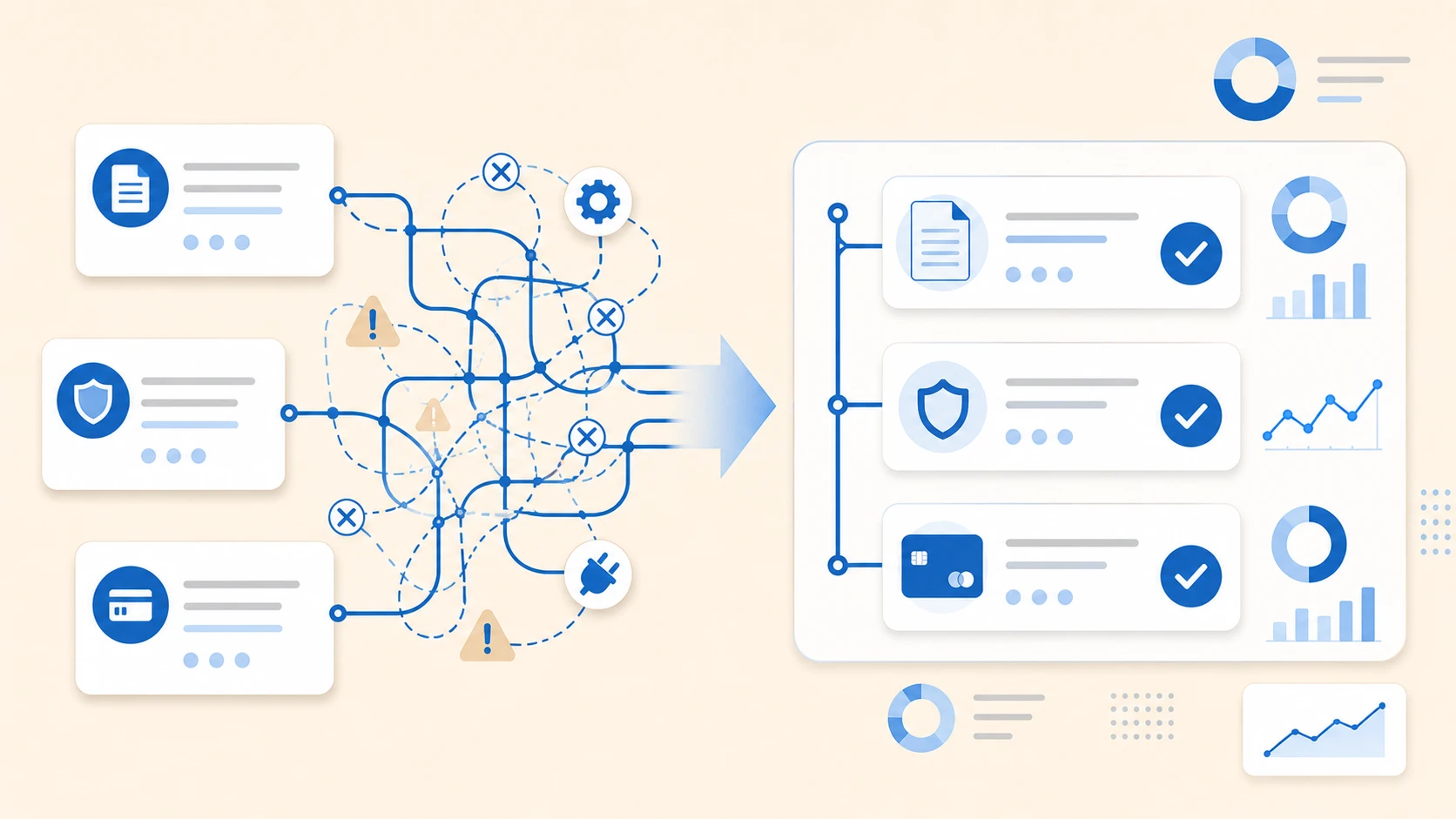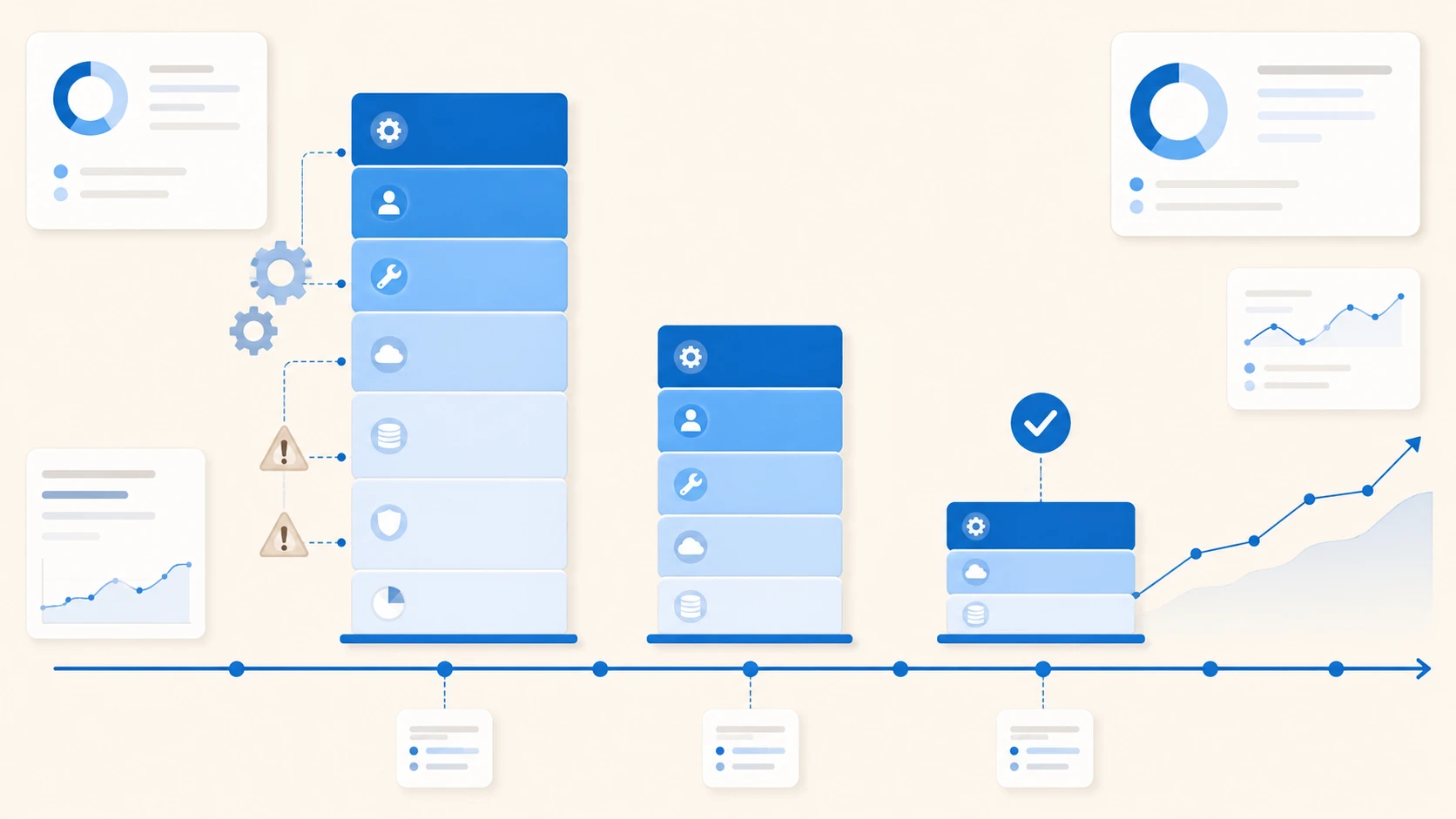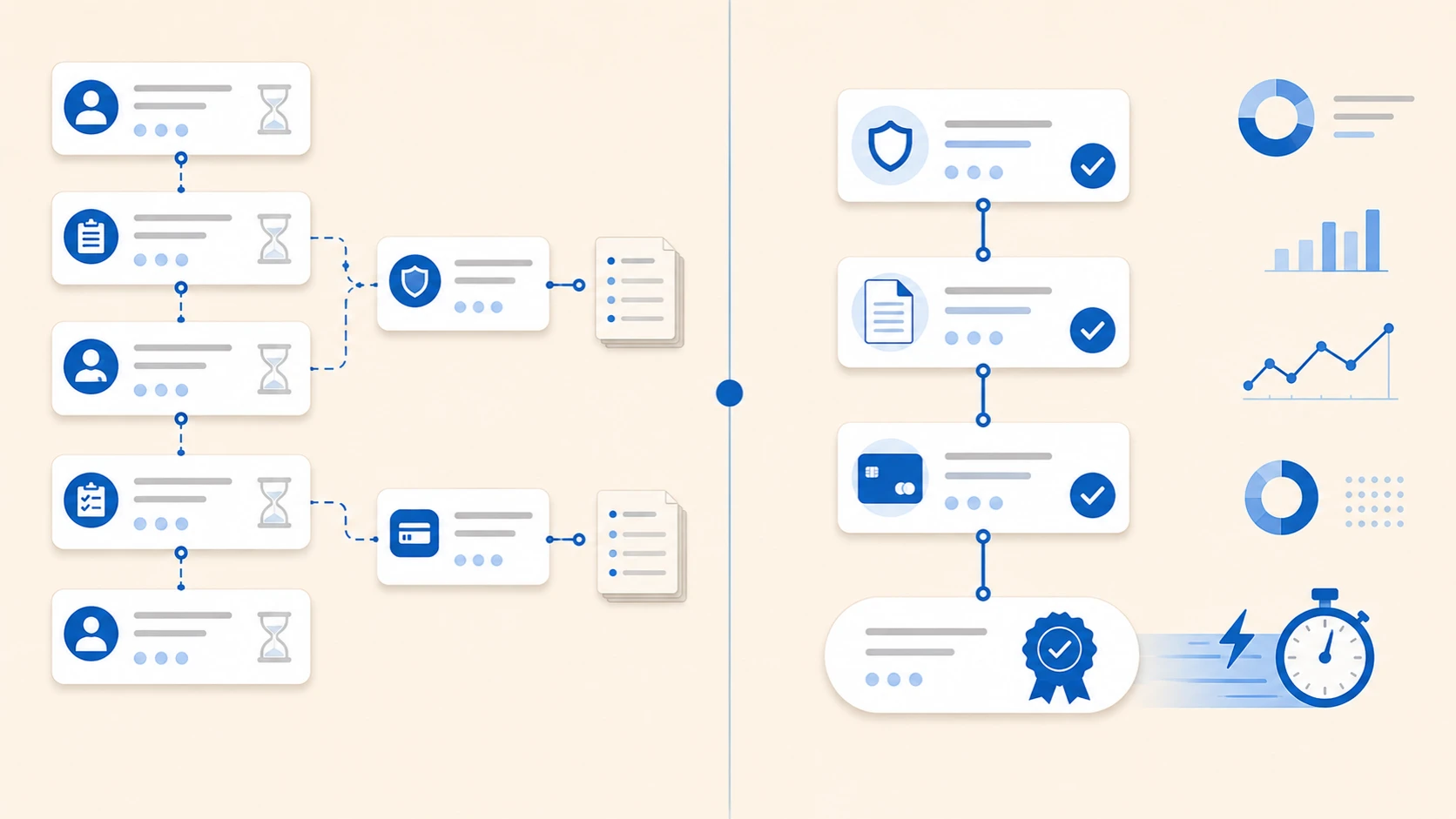
Viola by RegenAI InsurTech and Duck Creek Technologies approach claims and payments automation from opposite ends of the market. Duck Creek is an established enterprise P&C suite: policy, billing, and claims products with deep functional coverage, an established carrier customer base, and a partner/SI ecosystem to match. Viola is an AI-native platform where claims intake, routing, and payments run on the same real-time core as policy administration, with multi-agent AI doing the document reading, triage, and routing that enterprise suites typically leave to adjusters or add-on tools. For a large multi-line carrier with SI relationships and complex claims operations, Duck Creek is the incumbent-class evaluation. For carriers, MGAs, and program administrators running personal-lines books who want automation depth without enterprise implementation weight, Viola is the newer-generation alternative.
Here is the substance behind that summary: organized around what “automated claims and payments” actually requires.
Claims automation: what to compare
Intake. The automation question starts at FNOL: how does a loss report become a structured, routed claim? On Viola, FNOL arrives through multiple channels, customer portal wizard, admin desk, conversational chat (with confirm-before-file), and email ingestion, and every intake path generates the claim’s document set automatically. Duck Creek’s suite includes configurable FNOL and claims workflow capabilities; the depth of automated intake typically depends on implementation choices and add-ons: verify current capabilities for your use case directly with the vendor. In both cases, demo the messy version: an emailed loss report with attachments, not a clean form.
Document handling. This is where platform generations diverge most. Viola’s document intelligence OCRs police reports on upload (extracting parties, VINs, citations, damages) and feeds structured results into the claims workflow; photos are analyzed, including AI-generated-image fraud scoring. Ask any candidate platform, Viola included, to process one of your real police reports live.
Routing. Viola auto-assigns claims by coverage-based best match, then round-robin by least-loaded adjuster, excluding adjusters on leave via calendar sync: assignment logic aware of both workload and actual availability. On enterprise suites, comparable routing is configurable; ask who configures it and what it costs to change.
Reserves and oversight. Viola pairs a reserve rules engine with AI reserve recommendations drawn from historical averages: humans approve. Its claim lifecycle runs five phases with full status history and per-field audit. Enterprise suites offer mature reserve and authority frameworks; complex litigation and specialty workflows are historically their strength.
Scope honesty, both directions: Viola’s claims strength today is the intake-through-resolution workflow, FNOL, document AI, routing, reserves, tracking, documents, on personal auto. Duck Creek’s suite carries decades of multi-line claims breadth. A workers’ comp carrier with heavy litigation management needs is a different evaluation than a personal auto book optimizing loss-adjustment expense per claim.
Payments automation: what to compare
The question that matters isn’t “is there a payment integration”; it’s where payments live relative to the lifecycle:
- Collection at bind and renewal. On Viola, card and ACH processing is built into the bind flow: premium is collected the moment a policy binds, with the charge amount derived server-side from the rated premium. No invoice-and-wait gap, no drop-off between approval and payment.
- Vaulted methods. A secure customer vault supports saved payment methods and auto-pay for renewals.
- Refunds and voids in-platform. Handled in the same console with transaction lookup and branded receipts, visible alongside the policy.
- One money truth. Payment activity and policy state on one core means billing dashboards, receipts, and reports read the same record: the reconciliation burden that separately-integrated payment stacks create simply doesn’t start.
Duck Creek’s billing capabilities target enterprise-scale billing complexity: verify current scope against your requirements directly with the vendor. If your requirement is sophisticated installment schedules and enterprise billing operations, evaluate that depth specifically. If your requirement is payments woven natively into a fast quote-to-bind-to-renewal lifecycle, that is precisely what Viola’s integrated model is built for. (Honest note: pay-in-full and auto-pay are Viola’s present strengths; if granular installment billing is a hard requirement, raise it explicitly in your Viola evaluation.)
The architectural difference underneath
Duck Creek modernized the enterprise suite: cloud/SaaS delivery, low-code configuration, and a partner ecosystem. Viola was built after agentic AI changed the possibility space: specialized AI agents work the operation in parallel, reading documents, assessing risk, orchestrating workflow, watching outcomes, with humans in the loop where it counts, on a platform that is real-time by default. The practical consequence for claims and payments: on Viola, automation extends into the unstructured work (the emailed report, the photographed damage, the plain-English portfolio question answered by its Concierge), while suite platforms typically automate the structured workflow and leave the unstructured layer to people or point tools.
How to run the evaluation
- Time FNOL-to-routed-adjuster on each platform with a realistic loss report, attachments included.
- Process a real police report; count the fields extracted without human keying.
- Trace one premium dollar: quote → bind payment → renewal → refund on cancellation. Ask where each step is recorded and what reconciles against what.
- Ask for the configuration story: who changes routing rules, reserve rules, and payment flows after go-live; your team or an SI?
- Match platform to book: lines, volume, claims complexity, and the size of team you want operating it.
Viola is the AI-native, real-time Policy Administration System from RegenAI InsurTech: claims intake, routing, and payments on the same core as policy admin. Book a demo with one of your real police reports.